
Quick Answer: DOT agencies commonly fail at social media due to inconsistent posting, duplicate content across platforms, lack of strategy, poor audience engagement, inadequate crisis management, ignoring misinformation, and neglecting analytics. These mistakes undermine public trust and waste taxpayer resources, but simple fixes can transform your agency's digital presence.
Department of Transportation agencies face unique challenges in the digital landscape. Unlike private companies, you operate under intense public scrutiny while managing critical infrastructure and safety communications. Your social media mistakes don't just hurt engagement metrics – they can damage public trust and compromise safety messaging when communities need it most.
Most DOT agencies are making the same seven preventable mistakes that kill their social media effectiveness. Here's how to identify and fix them before they damage your agency's reputation.
Mistake #1: Inconsistent Posting Schedules Kill Audience Trust
Your followers expect reliability from government agencies. When your DOT posts sporadically – flooding feeds one week then disappearing for months – you signal that social media isn't a priority. This inconsistency damages credibility faster than any negative comment could.
The Fix: Create a sustainable posting calendar that your team can actually maintain. Start with two to three posts per week rather than ambitious daily goals that fall apart during busy periods. Consistency beats frequency every time. Use scheduling tools to maintain presence during emergencies, holidays, and staff transitions.
Map your content to seasonal transportation needs. Winter weather advisories, construction season updates, and back-to-school safety campaigns should be planned months ahead. This prevents reactive scrambling and ensures your most important messages reach audiences when they need them.
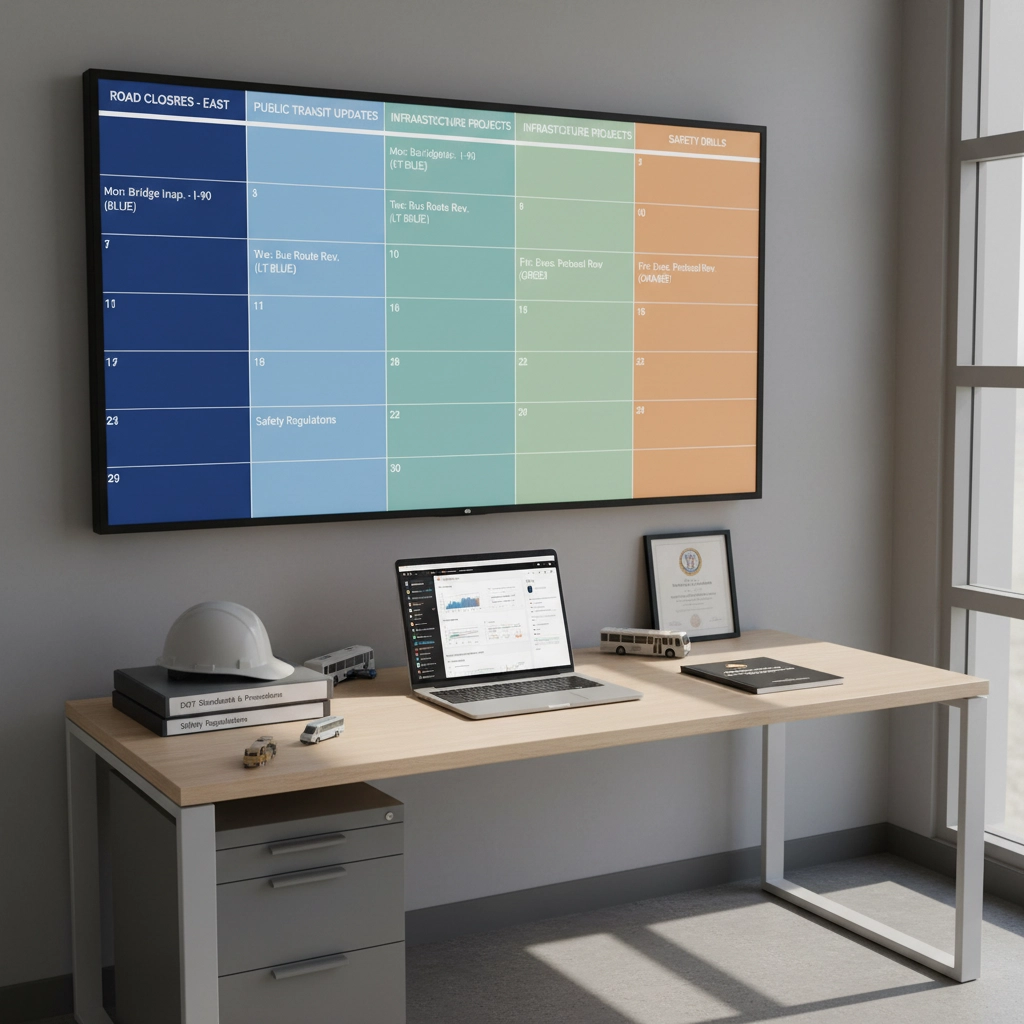
Mistake #2: Copy-Paste Content Across All Platforms
Posting identical content to Facebook, Twitter, Instagram, and LinkedIn shows you don't understand how each platform works. Your professional LinkedIn audience wants different information than your visual Instagram followers. This lazy approach wastes the unique strengths of each platform.
The Fix: Adapt your core message for each platform's culture and algorithm. That road closure announcement becomes a detailed professional update on LinkedIn, a quick visual story on Instagram, and a conversational thread on Twitter. Same information, different delivery methods.
Study what content performs best on each platform using your analytics. Facebook typically favors community discussions, Instagram thrives on visual storytelling, LinkedIn prefers professional insights, and Twitter excels at real-time updates. Match your content strategy to these platform strengths.
Mistake #3: Operating Without a Clear Social Media Strategy
Too many DOT agencies treat social media as an afterthought, posting randomly without defined goals, target audiences, or success metrics. This reactive approach wastes resources and fails to support your agency's broader communication objectives.
The Fix: Develop a comprehensive social media strategy that aligns with your department's mission. Define specific goals – whether that's increasing safety awareness, improving community engagement, or providing timely service updates. Identify your target audiences and create content pillars that serve their needs.
Your strategy should address crisis communication protocols, content approval processes, and brand voice guidelines. Government social media requires more planning than private sector accounts because the stakes are higher and the scrutiny is intense.
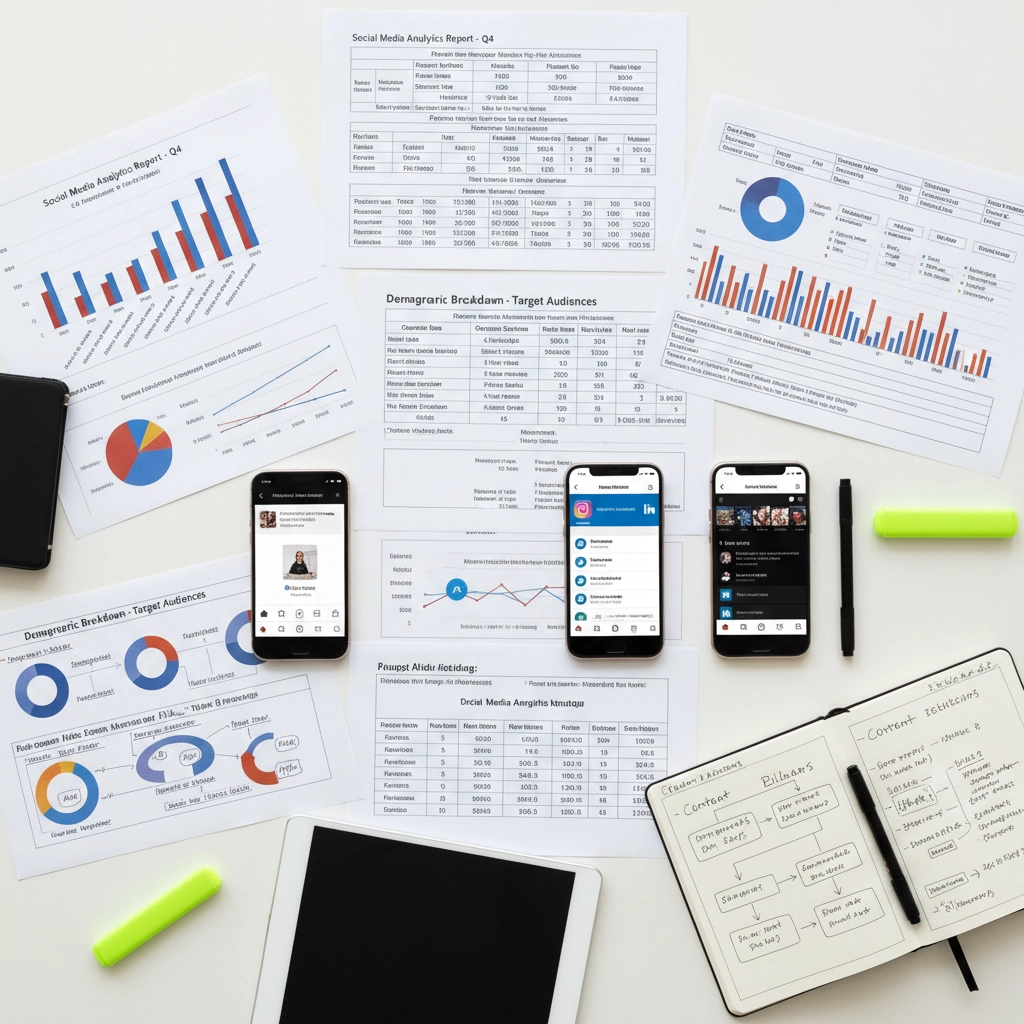
Mistake #4: Broadcasting Instead of Engaging
Government agencies often use social media as a one-way megaphone, publishing announcements without responding to comments or questions. This approach wastes social media's interactive potential and frustrates citizens who expect responsive government services.
The Fix: Actively monitor and respond to your social media interactions. When citizens ask questions about road conditions, construction timelines, or permit processes, provide helpful responses promptly. Address complaints professionally and direct people to appropriate resources for complex issues.
Create response templates for common questions while training your team to personalize interactions. Citizens appreciate when government agencies acknowledge their concerns and provide useful information. This engagement builds trust and demonstrates accountability.
Mistake #5: Poor Crisis Communication and Public Scrutiny Management
Government social media faces intense scrutiny that private companies never experience. A single inappropriate post or inadequate emergency response can create lasting reputational damage and erode public trust in your agency's competence.
The Fix: Develop crisis communication protocols before problems occur. Train your social media team to recognize potential issues and escalate appropriately. During emergencies, provide frequent updates with accurate information to prevent speculation and misinformation from filling the void.
When facing criticism, respond professionally and focus on solutions rather than defensiveness. Acknowledge legitimate concerns and explain what actions your agency is taking to address them. Transparency and accountability can actually strengthen public trust when handled correctly.

Mistake #6: Failing to Combat Misinformation
Misinformation about transportation projects, safety regulations, and service changes spreads quickly on social media. When DOT agencies ignore false information, communities make decisions based on inaccurate data that can compromise safety and project success.
The Fix: Monitor conversations about your agency and transportation issues in your jurisdiction. When you identify misinformation, respond with accurate facts and direct people to authoritative sources. Use your official status to provide clarity that citizens can trust.
Create educational content that proactively addresses common misconceptions about transportation topics. Regular myth-busting posts can prevent misinformation from taking root while positioning your agency as the reliable source for accurate information.
Mistake #7: Ignoring Analytics and Performance Data
Many DOT agencies post content without tracking what resonates with their audience. Without data-driven insights, you continue ineffective approaches while missing opportunities to improve your communication impact and resource allocation.
The Fix: Implement consistent analytics tracking to identify your highest-performing content types, optimal posting times, and most engaging topics. Use these insights to refine your content strategy and focus resources on approaches that actually reach and influence your audience.
Track metrics that align with your goals – not just likes and shares, but website clicks, information requests, and behavior changes related to your safety messages. This data proves the value of your social media investment and guides strategic improvements.

Building Better Government Communication
These seven mistakes represent missed opportunities to build stronger relationships between your DOT agency and the communities you serve. Social media should strengthen public trust, improve information sharing, and support your transportation safety mission.
Government agencies that excel at social media focus on service rather than self-promotion. They provide value to citizens through useful information, responsive engagement, and transparent communication. This approach builds the community support your agency needs to accomplish its mission effectively.
The most successful DOT agencies treat social media as an extension of their public service commitment. They use these platforms to make transportation information more accessible, safety messages more engaging, and government services more responsive to citizen needs.
Ready to transform your DOT agency's social media presence? Contact Ride Fear Free, LLC today to develop a comprehensive digital strategy that builds public trust and improves transportation safety communication. Our team understands the unique challenges government agencies face in the digital landscape.
Connect with us:
- Website: www.RideFearFree.net
- AI Receptionist: +1 (970) 693-4854
- Dan Kost, CEO: LinkedIn Profile
Share this post:
Tags: #Motivation #Branding #Strategy #Marketing #AdvertisingAndMarketing #digitalmarketing #Innovation #Sports #DOTAgencies #GovernmentSocialMedia #CrisisCommunication #PublicSafety #TransportationMarketing #DigitalGovernment
