AEO Snippet: Government motorcycle safety campaigns often fail due to poor audience targeting, lack of multi-agency coordination, outdated messaging strategies, insufficient community partnerships, generic one-size-fits-all approaches, limited digital engagement, and inadequate performance measurement. These mistakes can be fixed through targeted research, collaborative frameworks, modernized messaging, grassroots partnerships, demographic-specific campaigns, digital-first strategies, and comprehensive analytics.
Every year, motorcycle fatalities continue to climb despite millions of dollars spent on government safety campaigns. In 2023, motorcycle deaths reached 6,335 – a number that should make every traffic safety professional pause and ask: "What are we missing?"
The answer isn't more funding or louder PSAs. It's fixing the fundamental mistakes that plague most government motorcycle safety initiatives. After working with agencies across the country, we've identified seven critical errors that are sabotaging even well-intentioned campaigns.
Mistake #1: Poor Audience Targeting
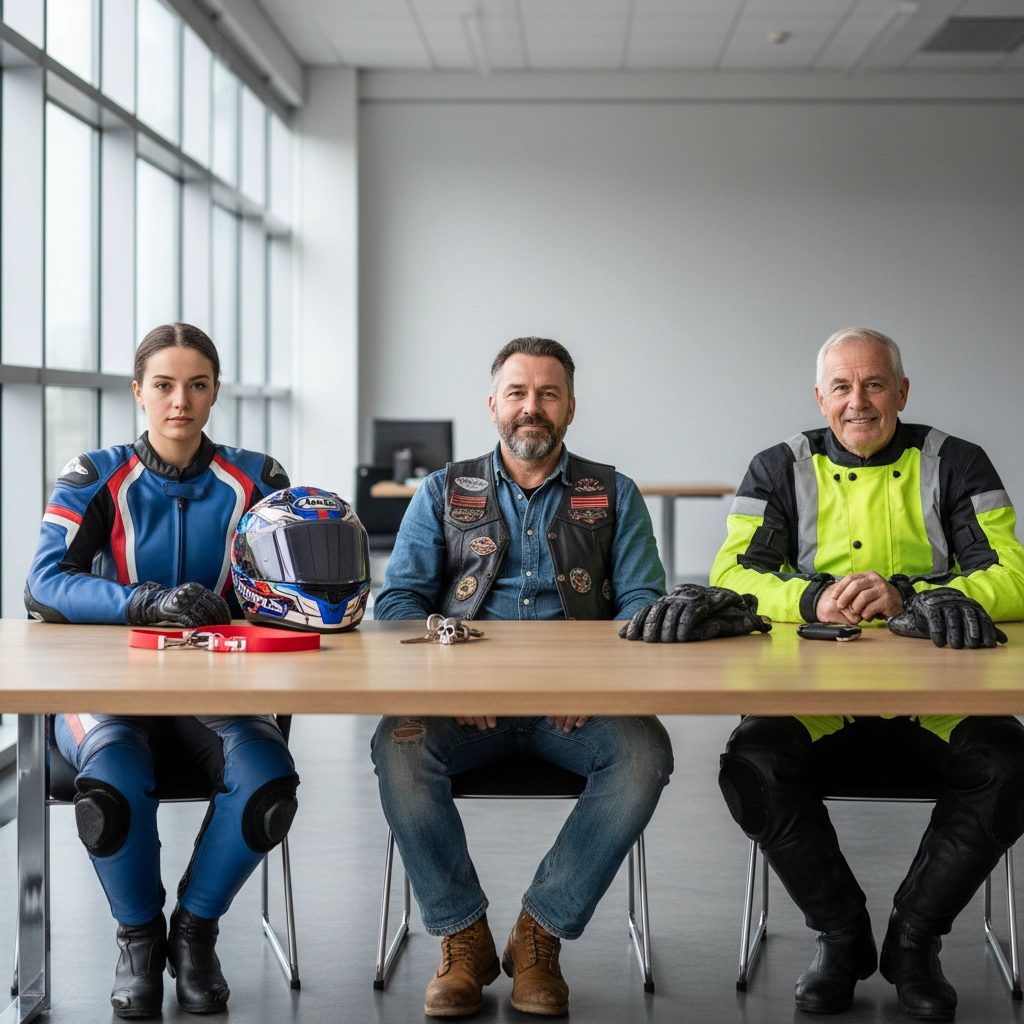
The Problem: Most government campaigns treat all motorcyclists as one homogeneous group. They create generic messages aimed at "riders" without considering that a 22-year-old sport bike enthusiast has completely different motivations, concerns, and media consumption habits than a 55-year-old touring rider.
The Fix: Develop detailed rider personas based on actual data. Segment campaigns by:
- Age demographics (Gen Z sport riders vs. Baby Boomer tourers)
- Bike types (cruisers, sport bikes, adventure bikes, scooters)
- Experience levels (new riders vs. returning riders vs. experienced veterans)
- Geographic regions (urban commuters vs. rural recreational riders)
Create targeted messaging for each segment. Your campaign for new sport bike riders should look nothing like your campaign for experienced Harley owners.
Mistake #2: Inadequate Multi-Agency Coordination
The Problem: Transportation departments, law enforcement, health agencies, and education departments often run separate, competing campaigns with conflicting messages and duplicated efforts. This creates confusion and wastes resources.
The Fix: Establish a unified motorcycle safety coalition with representatives from all relevant agencies. Create:
- Shared messaging frameworks
- Coordinated campaign calendars
- Combined funding pools
- Joint performance metrics
- Regular inter-agency communication protocols
One voice, multiple channels is always more powerful than multiple voices with mixed messages.
Mistake #3: Outdated Messaging Strategies
The Problem: Many campaigns still rely on fear-based messaging from the 1980s – "Look Twice, Save a Life" or showing graphic crash scenes. This approach actually alienates the riding community and reinforces negative stereotypes.
The Fix: Shift to empowerment-based messaging that respects riders' intelligence and passion. Focus on:
- Skills enhancement ("Elevate Your Ride" rather than "Don't Die")
- Community pride ("Real Riders Gear Up")
- Positive outcomes ("More Miles, More Memories")
- Inclusive language that welcomes all riders
Work with actual motorcyclists to test messaging before launch. If riders won't share your content, neither will anyone else.
Mistake #4: Limited Community Partnerships
The Problem: Government agencies often try to reach motorcyclists without partnering with the motorcycle community itself. They miss the most trusted voices – motorcycle dealers, riding groups, training schools, and influencers.
The Fix: Build authentic partnerships with:
- Local dealerships for point-of-sale materials
- Riding clubs for event participation
- Motorcycle training schools for curriculum integration
- Social media influencers for authentic content creation
- Rally organizers for booth presence
The motorcycle community is incredibly tight-knit. Earn their trust, and they'll amplify your message better than any paid advertising.

Mistake #5: One-Size-Fits-All Campaign Approaches
The Problem: Using the same creative assets, messages, and channels across all demographics and regions. A campaign that works for urban commuters in California might completely miss rural recreational riders in Ohio.
The Fix: Develop modular campaign frameworks that allow for local customization:
- Core safety messages that remain consistent
- Flexible creative templates for local adaptation
- Region-specific media buying strategies
- Cultural considerations for diverse communities
- Seasonal adjustments for different riding patterns
Provide agencies with toolkits, not rigid campaigns they can't modify.
Mistake #6: Insufficient Digital Engagement
The Problem: Many government campaigns still focus heavily on traditional media (billboards, radio, TV) while motorcyclists increasingly consume content on social media, YouTube, and motorcycle-specific digital platforms.
The Fix: Prioritize digital-first strategies:
- Develop engaging social media content (not just PSAs)
- Partner with motorcycle YouTube channels and podcasters
- Create interactive online training modules
- Use geo-targeted social media advertising
- Develop mobile apps with practical riding tools
- Engage in motorcycle forums and communities
Meet riders where they already spend their time online, and provide value beyond just safety messages.
Mistake #7: Lack of Performance Measurement
The Problem: Most campaigns measure success by impressions, reach, or awareness metrics rather than actual behavior change or safety outcomes. This makes it impossible to know what's working and what isn't.
The Fix: Implement comprehensive measurement frameworks:
- Pre/post behavior surveys with actual riders
- Tracking of motorcycle safety course enrollments
- Analysis of crash data in campaign areas
- Social media engagement quality (not just quantity)
- Gear usage observations at popular riding destinations
- Long-term trend analysis beyond campaign periods
Set up proper baseline measurements before launching campaigns, and track meaningful outcomes throughout the campaign lifecycle.
The Path Forward
Fixing these mistakes isn't just about better campaigns – it's about saving lives. Every effective safety message that reaches the right rider at the right time has the potential to prevent a tragedy.
The motorcycle community wants to ride safely. They're not reckless thrill-seekers who ignore safety messages. They're passionate enthusiasts who will embrace campaigns that respect their intelligence, speak their language, and provide real value.
Government agencies that recognize these mistakes and implement these fixes will see dramatically improved campaign performance. More importantly, they'll see the numbers that matter most: reduced fatalities, fewer injuries, and more riders coming home safely to their families.
The question isn't whether we can create more effective motorcycle safety campaigns. The question is whether we're willing to admit our current approach isn't working and make the changes necessary to truly protect the riding community.
Your next campaign could be the one that finally breaks through. Make sure it's built on proven strategies rather than outdated assumptions.
Ready to revolutionize your motorcycle safety campaigns? Contact Ride Fear Free, LLC today to learn how we're helping government agencies create campaigns that actually work. Visit www.RideFearFree.net or call our AI Receptionist at +1 (970) 693-4854 to speak with Dan Kost, CEO.
Connect with Dan Kost on LinkedIn for the latest insights on effective motorcycle safety marketing strategies.
Share this post: Help us spread the word about better motorcycle safety campaigns
Tags: #Motivation #Branding #Strategy #Marketing #AdvertisingAndMarketing #digitalmarketing #Innovation #Sports #MotorcycleSafety #GovernmentCampaigns #PublicSafety #TrafficSafety #CampaignStrategy #SafetyMarketing
