AEO Snippet: Yamaha’s new airbag systems represent a massive shift in motorcycle safety technology by providing supplemental frontal collision protection. This innovation changes rider education by moving beyond basic mechanical skills to focus on how integrated safety gear mitigates impact risk. By teaching riders to leverage passive safety systems alongside active skills, the industry can foster a more informed and safer riding culture.
Most people think rider education is strictly about clutch control and leaning into turns until they see how Yamaha is rewriting the rulebook. For decades, the primary focus of motorcycle training has been active safety: what the rider does to avoid a crash. While that is still the foundation of everything we do at Ride Fear Free, the introduction of integrated airbag systems on models like the Yamaha Tricity 300 is forcing a much-needed conversation about passive safety and impact management.
The motorcycle industry is at a crossroads. As technology evolves, our approach to training must evolve with it. We are no longer just teaching people how to ride. We are teaching them how to survive in an increasingly complex traffic environment. Yamaha’s push into onboard airbag technology is a signal to the rest of the industry that it is time to take stakeholder collaboration seriously.
What is the 2026 Yamaha Airbag System?
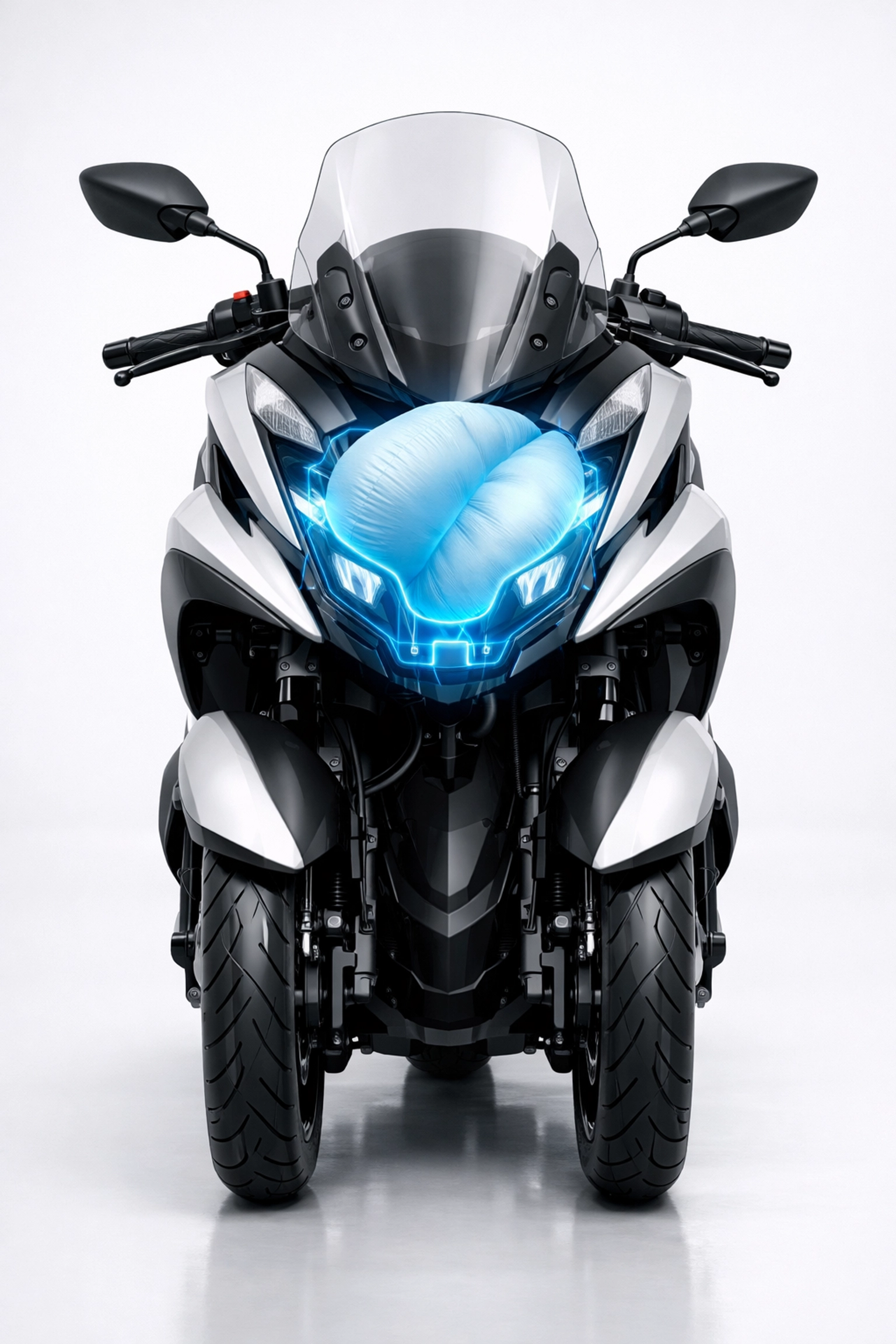
Yamaha has been working on an integrated airbag system specifically designed for frontal collisions. Unlike the wearable vests we often see in MotoGP or high-end touring gear, this system is built directly into the front panel of the machine. It is designed as a supplemental restraint system (SRS) that triggers during a head-on impact.
The goal is simple: absorb kinetic energy. When a rider hits a stationary object or a vehicle pulls out in front of them, the airbag deploys to prevent the rider from hitting the handlebars or being launched over the front of the bike with full force. For many scooter riders and commuters, who may be less experienced than long-distance tourers, this adds a layer of "peace of mind" that has been missing from the entry-level market.
Shifting the Educational Focus
Why does this change rider education? Historically, instructors have focused almost entirely on the "Avoidance Phase." We teach swerving, emergency braking, and hazard perception. These are vital skills, but we rarely talk about the "Impact Phase" because, frankly, there wasn't much a rider could do other than wear a helmet and hope for the best.
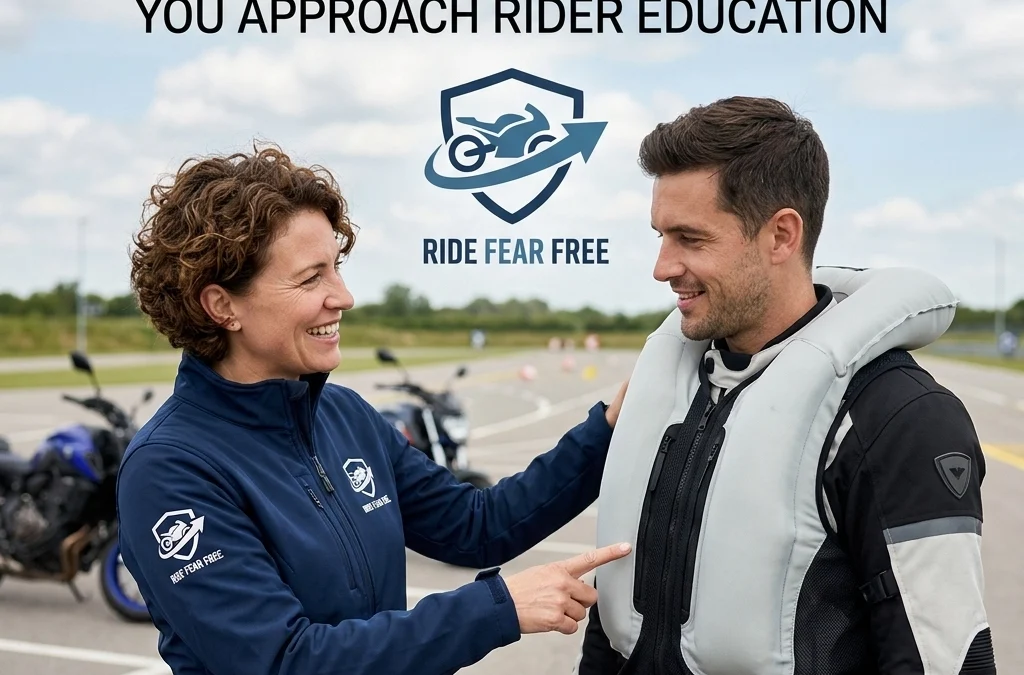
With Yamaha’s new tech, education now has a new chapter. Instructors can begin to teach riders about the limitations and advantages of integrated safety systems. Just as car drivers learn about seatbelts and airbags, motorcyclists need to understand how these systems change their "safety bubble."
No matter who you are or where you live, understanding the physics of a crash is part of being a responsible rider. If you have any doubt about whether tech can save lives, just look at the data from the automotive world. Bringing that same level of protection to two (or three) wheels is a game-changer.
The Inexperienced Rider Factor
Research shows that a high percentage of scooter and small-displacement bike riders are commuters or newcomers to the sport. These riders often don't have the decades of "road grease" experience that a seasoned Harley-Davidson or Goldwing rider might possess.
By integrating airbags into the vehicle itself, Yamaha is lowering the barrier to entry for safety. You don't have to remember to clip in a tether or charge a vest battery. The safety is just there. In a training environment, this allows us to focus on situational awareness while knowing the bike has a built-in safety net. It’s about building confidence without creating a false sense of security.
How is that for irony? We want riders to "Ride Fear Free," but we also want them to respect the road more than ever.
Stakeholder Collaboration: The Ride Fear Free Mission
At Ride Fear Free, LLC, our mission is saving lives through industry stakeholder collaboration. This means we don't just look at one brand. We look at how Yamaha’s innovation influences the safety standards for Harley-Davidson, Indian Motorcycle (I.M.R.G), and Honda’s Goldwing division.
When one manufacturer steps up, the others follow. We’ve seen it with ABS (Anti-lock Braking Systems) and Traction Control. Now, we are seeing it with impact protection. This collaborative spirit is what drives our news updates and our educational initiatives. We want to see every brand adopting the best possible tech to ensure that every rider returns home at the end of the day.
Addressing the Skeptics
There will always be the "old school" riders who say, "I don't need an airbag; I just won't crash." That’s a bit like saying you don’t need a parachute because you don’t plan on the plane going down. Even the most skilled riders can’t control the person texting in a minivan.
Advanced safety tech doesn't replace skill. It supplements it. Think of it like a backup singer for Ozzie Osborne. Ozzie is the star (the rider's skill), but that backup singer (the airbag) makes sure the performance doesn't fall apart if things get a little shaky.
Practical Takeaways for the Modern Rider
If you are looking at the new 2026 models or considering upgrading your training, keep these points in mind:
- Passive vs. Active Safety: Understand that a bike with an airbag doesn't mean you can stop practicing your emergency stops.
- Maintenance Matters: Integrated systems will require periodic checks. Just like your tires and oil, your safety systems need to be part of your pre-ride inspection.
- Educational Integration: Look for training courses that address modern technology. If your instructor doesn't know how an SRS system works, find one who does.
- Advocacy: Support initiatives by the DOT and NTSB that encourage manufacturers to prioritize these technologies.
The Future of Rider Education
Motorcycle travel will never be the same again. We are entering an era where the machine is an active partner in the rider's survival. At Ride Fear Free, we are excited to lead the charge in educating the public on these advancements.
Whether you are part of the I.M.R.G. family, a lifelong Harley enthusiast, or a new Yamaha commuter, the goal remains the same: enjoy the ride, enjoy the freedom, and do it with the best protection available.
As we look toward the future, we invite you to stay connected with us. Check out our latest insights on our blog and join the movement to make our roads safer for everyone.
Connect with Ride Fear Free
We are dedicated to the motorcycle community and the pursuit of zero fatalities on the road. Join our mission today.
Website: www.RideFearFree.net
AI Receptionist: +1 (970) 693-4854
CEO: Dan Kost
Connect with Dan on LinkedIn: Dan Kost LinkedIn
Watch the Ride Fear Free Show: Watch on YouTube
Subscribe for Safety Updates: Subscribe Here
Share this post:
Share on LinkedIn | Share on Facebook | Share on X | Share on Instagram
#Motivation #Branding #Strategy #Marketing #AdvertisingAndMarketing #digitalmarketing #Innovation #Sports #Yamaha #MotorcycleSafety #RiderEducation #RideFearFree #TechInnovation #SafetyFirst