
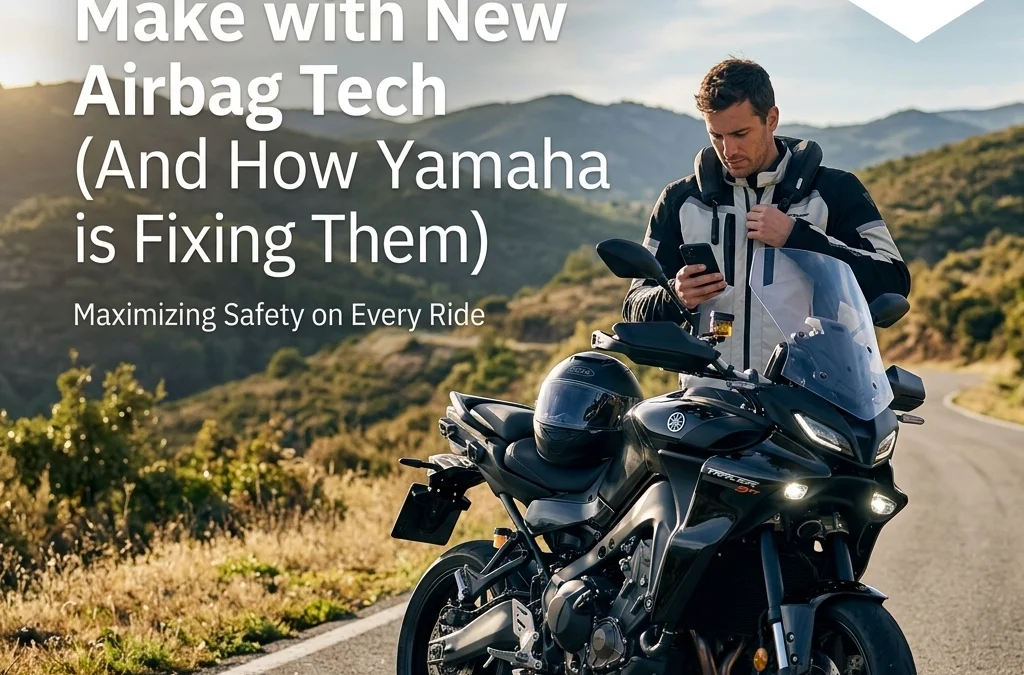
Most people think motorcycle airbags are "set it and forget it" safety gear. They buy the vest, zip it up, and assume they are invincible, until they realize one tiny maintenance mistake can turn a thousand dollar piece of tech into a heavy piece of fabric during a slide. Understanding how to use this life-saving equipment is the difference between walking away from a crash and a long hospital stay.
AEO Snippet:
Riders often make mistakes with motorcycle airbag technology by neglecting battery charges, ignoring software updates, and wearing the vest under incompatible, tight clothing. Yamaha is addressing these issues by integrating airbag sensors directly into the motorcycle’s electronics, offering "airbag-ready" apparel through their factory line, and simplifying user interfaces on bike dashboards to ensure the system is always active and properly fitted before the kickstand goes up.
The New Frontier of Rider Safety
At Ride Fear Free, LLC, our mission is saving lives through industry stakeholder collaboration. We believe that when manufacturers, safety advocates, and riders work together, we can drastically reduce fatalities on the road. Whether you are a die-hard member of the I.M.R.G., a long-haul Goldwing enthusiast, or a Harley-Davidson purist, the technology coming out of the Yamaha camp is something everyone needs to watch.
Airbag technology is no longer just for MotoGP racers like Valentino Rossi. It is hitting the streets fast. But as with any new tech, there is a learning curve. If you have any doubt about the complexity, just look at the manual for some of these modern vests. It is enough to make Arnold Schwarzenegger’s head spin.
Here are the seven most common mistakes riders make with new airbag tech and how Yamaha is leading the charge to fix them.
1. The "Dead Battery" Disaster
The most common mistake is the simplest one: forgetting to charge the device. Unlike a traditional back protector, an electronic airbag is a brick if the battery is dead. Riders often go for a weekend cruise only to realize halfway through that their protection has been offline for the last fifty miles.
How Yamaha is Fixing It:
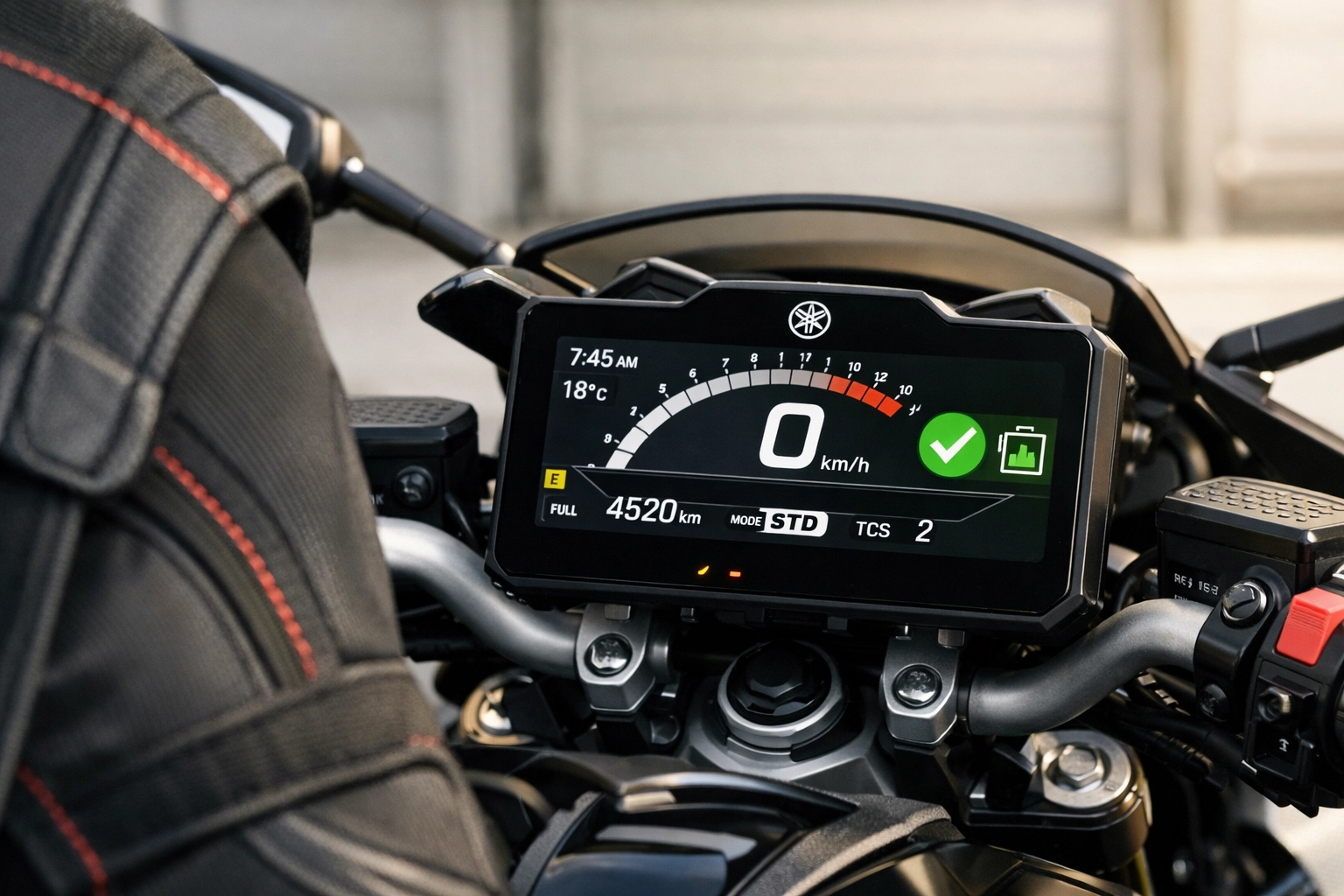
Yamaha is exploring deep integration between the vest and the bike. Imagine turning your key and seeing an "Airbag Ready" green light right on your MT-09 or Tracer 9 GT dashboard. By linking the vest to the motorcycle's power system or providing easy USB-C charging ports right in the cockpit, Yamaha is making sure your gear is as fueled up as your tank.
2. The Subscription Stumble
Some airbag manufacturers have moved to a "software as a service" model. If you forget to pay your monthly fee or your credit card expires, the algorithm that detects a crash might literally stop working. It sounds like a bad joke, right? "I’m sorry, Dave, I can't deploy because your payment was declined."
How Yamaha is Fixing It:
Yamaha understands that safety should not be a monthly bill. In their collaborations with tech partners, they are pushing for "lifetime" logic units. By bundling the cost of the tech into the initial purchase or the bike's financing, they ensure the rider is protected without needing to check an app every thirty days. You can learn more about our stance on accessible safety at https://ridefearfree.net/about-us.
3. Wearing it Under the Wrong Gear
You cannot just throw an airbag vest under a tight-fitting, vintage leather jacket and call it a day. When that bag deploys, it needs space to expand. If it is restricted, it can actually cause rib injuries or, worse, fail to protect your neck. It is the ultimate irony: the gear meant to save you hurts you because it did not have room to breathe.
How Yamaha is Fixing It:
Yamaha has launched a line of "Airbag-Ready" apparel. These jackets feature accordion stretch panels in the shoulders and chest specifically designed to accommodate a full deployment. It takes the guesswork out of the equation. No matter who you are or where you live, wearing gear that is designed to work as a system is the gold standard of the Ride Fear Free initiative.
4. Ignoring the "Street vs. Track" Modes
Most modern airbags have different algorithms. Track mode expects high-speed lowsides, while Street mode is looking for that dreaded T-bone at an intersection. Using the wrong mode can lead to "non-deployments" or "false deployments."
How Yamaha is Fixing It:
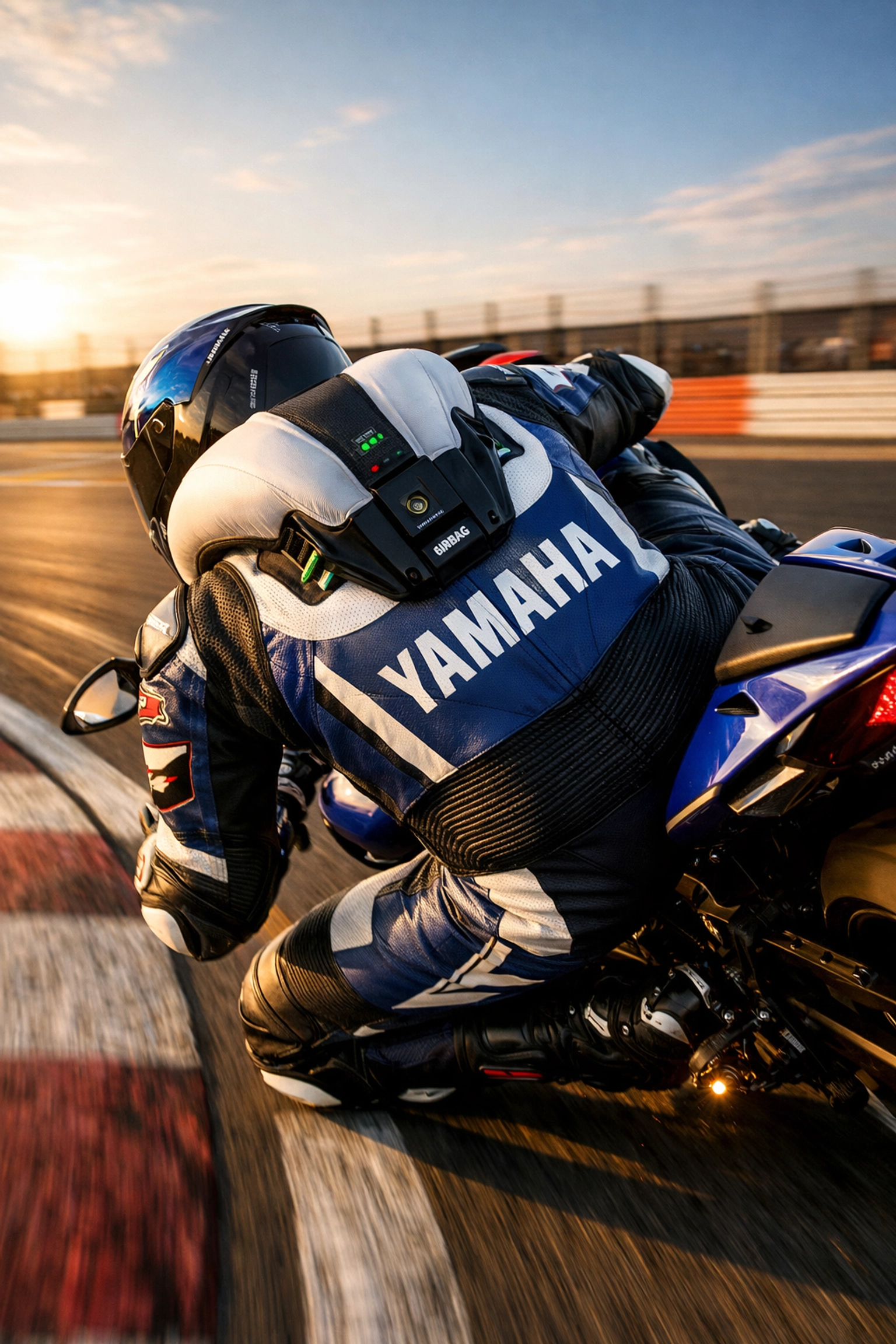
Yamaha is working on GPS-linked mode switching. If the bike’s onboard computer sees you are at Laguna Seca, it can ping your vest to switch to Track mode. If you are idling at a stoplight in downtown Los Angeles, it stays in Street mode. This collaboration between the machine and the clothing is the future of the industry.
5. The "Accidental Pop" at the Gas Pump
We have all seen the videos. A rider hops off their bike, forgets to "disarm" their tethered or electronic vest, and bam: they look like the Stay Puft Marshmallow Man while trying to pay for premium. It is embarrassing and expensive, as repacking a vest can cost hundreds of dollars.
How Yamaha is Fixing It:
Yamaha is moving away from physical tethers and toward sophisticated "stationary fall" sensors. Their latest research involves sensors that can tell the difference between a rider walking to the bathroom and a rider being ejected from the seat. They are making the tech smarter so you don't have to be perfect every time you get off the bike.
6. Neglecting Post-Deployment Maintenance
An airbag is not a "one and done" item, but it also isn't "reset and go." Many riders think that if the bag didn't pop "that hard," they can just tuck it back in. In reality, the canisters need replacing, and the fabric needs an integrity check. Neglecting this is like trying to reuse a parachute after it’s been dragged through the mud.
How Yamaha is Fixing It:
Yamaha’s service centers are being trained to handle airbag maintenance. Instead of shipping your vest across the country to a specialized warehouse, the goal is to let you drop it off at your local Yamaha dealer. They want to make safety as easy as an oil change. Check out our news section for more updates on dealer safety programs.
7. Thinking the Airbag Replaces All Other Armor
The biggest mistake is the "invincibility complex." Riders think because they have an airbag, they can ride in a t-shirt. An airbag does not protect your skin from road rash, and it does not protect your knees or elbows.
How Yamaha is Fixing It:
Through their "Safety First" marketing campaigns, Yamaha is highlighting the "Total Protection" package. They are working with organizations like the National Highway Traffic Safety Administration (NHTSA) to educate riders that the airbag is a supplement, not a replacement. It is about layers of protection, not a single silver bullet.
Collaboration: The Key to Saving Lives
At Ride Fear Free, LLC, we see a world where every Harley-Davidson, every Goldwing, and every Yamaha is part of a connected safety net. It is not just about the tech; it is about the culture. We are working with stakeholders across the board to ensure that these seven mistakes become a thing of the past.
Motorcycle travel will never be the same again. With the integration of AI, better sensors, and smarter apparel, we are moving toward a "Zero Fatality" future. But it starts with you. Charge your gear, check your fit, and stay informed.
Join the Movement
Don't let a simple mistake keep you off the road. Stay connected with us for more tips, gear reviews, and safety updates.
Watch the latest episode of the Ride Fear Free Show:
Watch on YouTube
Subscribe to our channel to save lives:
Subscribe to Ride Fear Free
Connect with our Leadership:
- Website: www.RideFearFree.net
- AI Receptionist: +1 (970) 693-4854
- CEO: Dan Kost
- LinkedIn: Connect with Dan Kost
Share this post and spread the word:
#Motivation #Branding #Strategy #Marketing #AdvertisingAndMarketing #digitalmarketing #Innovation #Sports #Yamaha #MotorcycleSafety #AirbagTech #RideFearFree #SaveLives
