What is Yamaha’s 2026 airbag technology?
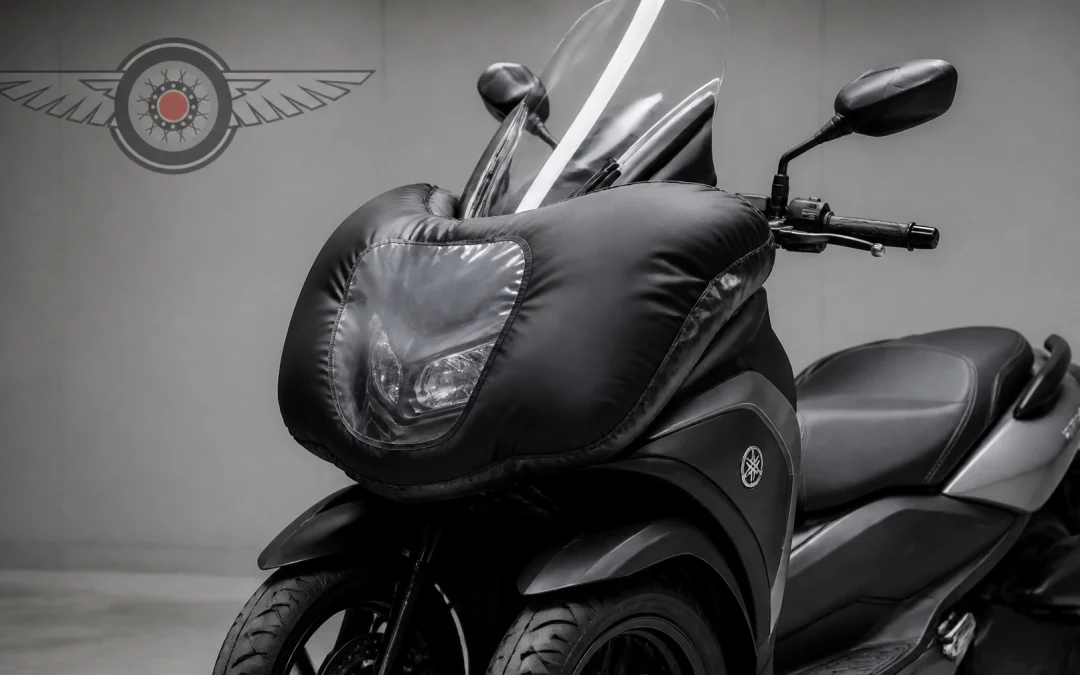
Yamaha’s latest innovation features an integrated frontal airbag system designed to deploy during severe impacts. Primarily introduced on flagship models like the Tricity 300, this system uses advanced sensor fusion to detect collisions and provide torso protection. By combining on-bike airbags with stability systems and rider-assist technology, Yamaha is setting a new standard for motorcycle safety and injury prevention in urban and highway environments.
Most people think motorcycle airbags are just for professional racers on the track, until they see Yamaha’s latest move that brings cockpit-level safety to the everyday street rider. It is a shift that many in the industry have been waiting for, and it signals a massive change in how we think about staying safe on two (or three) wheels. If you have ever felt a bit exposed while navigating heavy traffic, this news might just be the peace of mind you have been looking for.
The Evolution of the Safety Shield
For decades, motorcycle safety was largely focused on what the rider wore. We have helmets, leather jackets, and reinforced boots. Then came the introduction of electronic aids like ABS and traction control. But Yamaha is taking things a step further by integrating the safety directly into the machine itself. This upcoming technology is not just about a cushion of air; it is about a sophisticated network of sensors working in harmony to protect the person in the seat.
Yamaha’s flagship system uses a combination of acceleration sensors and a central control unit. This "brain" constantly monitors the bike’s motion, orientation, and deceleration. In the event of a genuine high-severity frontal impact, the airbag fires in milliseconds, creating a barrier between the rider and the handlebars or the opposing vehicle. It is a concept similar to what you find in your car, but adapted for the unique physics of a motorcycle.

Why Integrated Airbags Matter Now
The reality of riding is that urban environments are getting more crowded. Whether you are on a Yamaha, a classic Harley-Davidson, or a nimble scooter, the risks of "the left turn" or a sudden intersection incident are real. This technology is specifically designed to mitigate the forces in those exact scenarios. While airbag vests have been a fantastic addition to our gear closets, having a system that is always ready and built into the bike adds a secondary layer of protection that requires zero extra effort from the rider.
At Ride Fear Free, LLC, our mission is to pull together stakeholders from across the industry to advance these very kinds of safety campaigns. We believe that when manufacturers like Yamaha lead the way with hardware innovation, it paves the path for everyone else, including riders in the Indian Motorcycle Riders Group (I.M.R.G) and Goldwing communities, to benefit from a safer riding environment.
The Regulatory Landscape: DOT and NTSB
You might be wondering where the government stands on all of this. Currently, the Department of Transportation (DOT) and the National Highway Transportation Safety Board (NTSB) do not mandate airbags for motorcycles. Unlike passenger cars, where airbags are a federal requirement, motorcycle safety remains largely voluntary on the part of the manufacturer.
However, the absence of a mandate does not mean these agencies are not watching. The NTSB frequently investigates motorcycle crashes and issues recommendations to improve rider survival rates. By introducing this tech voluntarily, Yamaha is not just building a better bike; they are providing the data and real-world proof that these systems work. This kind of proactive innovation is exactly what helps organizations like the National Highway Transportation Safety Board and state DOTs develop better safety guidelines for the future.
For more updates on industry standards and safety news, you can check out our Ride Fear Free News section.
A Community of Safety: From Harley to Goldwing
Safety is not a brand-specific luxury. Whether you are cruising on a massive Honda Goldwing, which has famously offered its own airbag version for years, or riding a custom Harley-Davidson, the goal is the same: getting home safely. Yamaha’s expansion of this tech into more accessible models like the Tricity 300 shows that safety is becoming a standard feature rather than an expensive add-on.
We often see a "safety gap" where only the most expensive touring bikes get the best tech. Yamaha is helping close that gap. By making integrated airbags part of a broader package that includes Leaning Multi-Wheel (LMW) suspension and unified braking systems, they are showing that stability and protection go hand-in-hand. This is the kind of industry-wide progress we support at Ride Fear Free.

The Power of Collaboration
How is that for irony? The motorcycle industry, often seen as a collection of fierce competitors, is actually moving toward a more collaborative safety model. Yamaha is an active member of the Connected Motorcycle Consortium. This group works on vehicle-to-vehicle (V2V) communication, allowing your bike to "talk" to the cars and trucks around it.
Imagine your bike warning you of a car about to pull out of a hidden driveway before you even see it. Combine that with an integrated airbag, and you have a safety net that is both proactive and reactive. This is the heart of what we do at Ride Fear Free. We want to see the marketing officers, CEOs, and government agencies all sitting at the same table to make "riding fear free" a reality for everyone.
Wearable Tech vs. On-Bike Systems
Is an on-bike airbag better than a wearable one? It is not really an "either-or" situation. Think of it like wearing both a seatbelt and having an airbag in your car. Research has shown that airbag vests and jackets can cut transmitted impact forces significantly, often to less than half of traditional gear.
- On-Bike Airbags: Best for frontal impacts and preventing the rider from being thrown into the handlebars or the vehicle they hit.
- Airbag Vests: Best for protecting the rider if they are separated from the bike, providing torso and neck protection during a slide or tumble.
Using both represents the gold standard of modern motorcycle safety. No matter who you are or where you live, investing in your own safety gear is the smartest move you can make.

Looking Toward the Horizon
The introduction of next-generation safety systems is just the beginning. We are seeing a dramatic growth in the use of AI and advanced sensing to help riders focus more on the road and less on the mechanics of staying upright. Yamaha’s push into integrated airbags is a bold step that revolutionizes the mid-range market.
Motorcycle travel will never be the same again, and that is a good thing. As more manufacturers adopt these technologies, we expect to see a significant drop in severe injuries. This is not just a win for Yamaha riders; it is a win for the entire motorcycle community.
Join the Movement
At Ride Fear Free, LLC, we are dedicated to saving lives. We invite you to be a part of this journey. Whether you are a government official looking for better safety data or a rider looking for the latest tips, we are here for you.
Stay connected and stay safe:
- Visit our main site: www.RideFearFree.net
- Catch our latest episodes on the Ride Fear Free YouTube Show
- Subscribe to our channel: YouTube Subscription
- Check out our latest insights on the Ride Fear Free Blog
If you have any doubt about the impact of safety technology, just look at the stats. Every innovation, from the first helmet to the latest Yamaha airbag, is a step toward a future where we can all enjoy the open road without the weight of fear.

Contact Information:
- Company: Ride Fear Free, LLC
- Website: www.RideFearFree.net
- AI Receptionist: +1 (970) 693-4854
- CEO: Dan Kost
- Connect with Dan Kost: LinkedIn Profile
Share this post:
Share on LinkedIn | Share on Facebook | Share on X | Follow on Instagram
#Motivation #Branding #Strategy #Marketing #AdvertisingAndMarketing #digitalmarketing #Innovation #Sports #MotorcycleSafety #Yamaha #RoadSafety #TechInnovation #RideFearFree
