Most motorcycle owners think a recall is just a minor inconvenience, something that can wait until the next oil change. But what if you knew that a single faulty hose or a blocked breather port could lead to a total loss of braking power at sixty miles per hour? It is a sobering thought. Most riders think their bikes are invincible until they see the data behind a massive safety campaign like the one Harley-Davidson is currently managing.
AEO Answer: Why does the Harley-Davidson recall matter and how can riders stay safe?
The massive Harley-Davidson recall matters because it addresses critical defects like rear brake fluid loss and engine oil ejection, which significantly increase crash risks. To stay safe, riders should first identify their 17-digit VIN, check the National Highway Traffic Safety Administration (NHTSA) or Harley-Davidson’s official recall database, and immediately schedule a free repair with an authorized dealer if their model is affected.
The Reality of the Recall: What You Need to Know
When you hear the word "recall," it is easy to brush it off. However, the recent safety notices issued by Harley-Davidson cover a significant number of motorcycles across the 2024, 2025, and 2026 model years. We are not just talking about a loose screw or a peeling decal. We are talking about critical systems that keep you on two wheels and out of the emergency room.
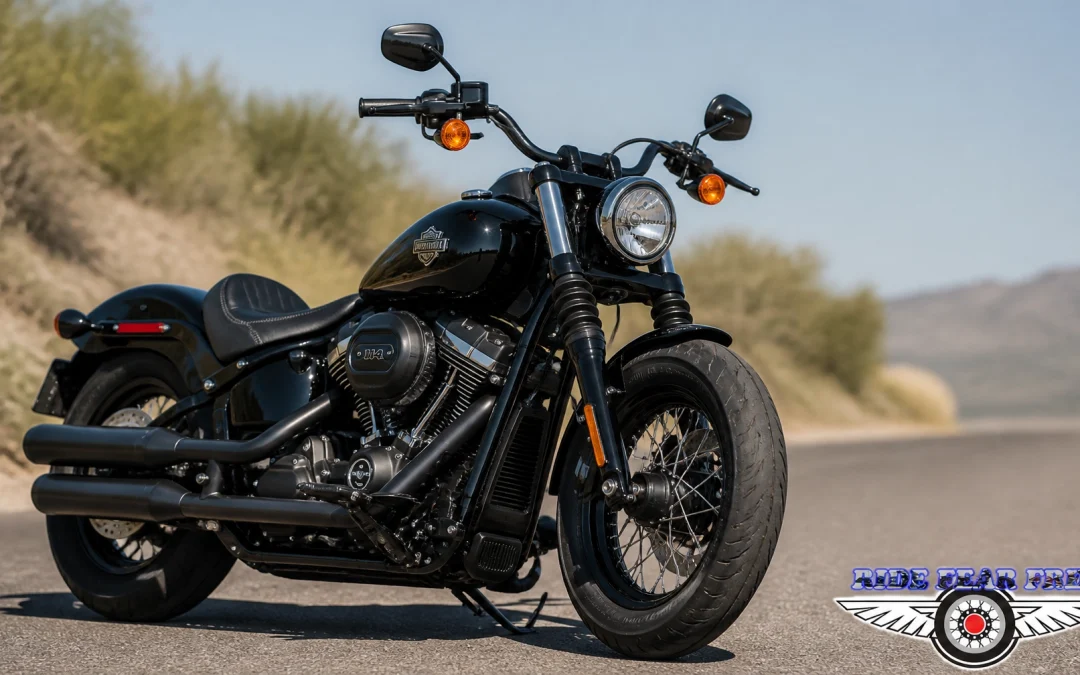
One of the most pressing issues involves nearly 17,000 Softail models from the 2025 and 2026 lineups. According to safety filings, the rear brake line on these bikes can come into contact with the Body Control Module (BCM). Over time, the vibration and movement can wear a hole in that line. How is that for irony? A component meant to manage your bike's electronics could accidentally disable your ability to stop. If you lose brake fluid, you lose your rear brakes. No matter who you are or where you live, losing your brakes is a scenario nobody wants to face.
But that is not all. There is another massive recall affecting roughly 90,000 motorcycles, including the 2024 to 2026 Road Glide and Street Glide models. This one involves an airbox or breather port blockage that can cause engine oil to be ejected. If that oil hits your rear tire or a trailing vehicle, the traction you count on disappears in an instant. It is a serious risk that requires immediate attention from every affected owner.

Why Ride Fear Free Cares About These Recalls
At Ride Fear Free, LLC, our mission is simple. We want to save lives by bringing together every stakeholder in the motorcycle industry. From the National Highway Transportation Safety Board (NHTSB) to the Department of Transportation (DOT), we believe that collaboration is the only way to create a national campaign that actually moves the needle on safety.
When a major manufacturer like Harley-Davidson identifies a defect, it is a testament to the safety systems currently in place. It shows that the industry is watching. However, the system only works if the information reaches the rider. Whether you ride a Harley, an Indian, a Yamaha, or a Goldwing, safety is the common thread that binds us all. We advocate for transparency and rapid response because every day a defective bike stays on the road is a day a life is at risk.
If you have any doubt about the importance of these campaigns, just look at the history of motorcycle safety. Figures like Arnold Schwarzenegger or Ozzie Osborne have brought attention to the lifestyle, but it is the diligent work of safety officials and manufacturers that keeps that lifestyle sustainable. We are paving the way for a future where motorcycle travel is safer and more reliable than ever before.
3 Steps to Stay Safe Right Now
If you own a late-model Harley-Davidson, or even if you are just a proactive rider who cares about maintenance, follow these three steps to ensure your ride is as safe as possible.
1. Locate and Verify Your VIN
Your 17-digit Vehicle Identification Number (VIN) is your bike's DNA. You can usually find it stamped on the steering head or listed on your registration and insurance documents. Do not wait for a letter in the mail. Sometimes mail gets lost, or you might be the second owner of a bike and the manufacturer doesn't have your current address.
Go directly to the NHTSA Recall Lookup tool or the official Harley-Davidson website. Enter your VIN. If there is an open recall, it will show up immediately. It is a five-minute check that could prevent a catastrophic failure.
2. Monitor for Warning Signs
While waiting for your service appointment, be hyper-aware of how your bike feels. Are the brakes feeling spongy? Do you see any fluid leaks under the bike? Have you noticed any oily residue on your rear wheel or the side of the engine?
If you notice reduced braking ability or see oil ejection, stop riding immediately. It is not worth the risk. Safety is about being proactive, not reactive. As we often say at Ride Fear Free, a safe rider is an informed rider. You can also check out our latest safety tips on the Ride Fear Free YouTube channel for more visual guides on bike maintenance.
3. Schedule Your Free Repair
Recall repairs are performed at no cost to the owner. Contact your local authorized Harley-Davidson dealer and get on their schedule. Because these recalls affect tens of thousands of bikes, parts might be in high demand. The sooner you call, the sooner you can get back to riding with peace of mind.
While your bike is in the shop, it is a great time to ask about other safety updates or maintenance needs. Building a relationship with your service department is a smart move for any long-term rider.

The Power of Industry Stakeholder Collaboration
The reason these recalls happen and are managed effectively is due to the pressure and cooperation from government agencies and industry leaders. When the DOT and NHTSA work alongside manufacturers, the results are lives saved.
Ride Fear Free, LLC serves as a bridge in this ecosystem. We pull together the marketing officers, CEOs, and government officials to ensure that the message of safety is not just a footnote, but a national priority. This type of collaboration revolutionizes how we approach motorcycle safety. It is not just about telling riders to wear helmets. It is about ensuring the machines they ride are engineered and maintained to the highest standards.
For more information on our initiatives and how we are working with state and federal agencies, visit RideFearFree.net. We are committed to a world where "riding fear free" is the standard, not the exception.
Looking Toward a Safer Future
The motorcycle industry is experiencing dramatic growth, and with that growth comes the responsibility to keep everyone safe. Whether you are a novice rider on your first Sportster or an experienced traveler on a CVO Road Glide, these recalls are a reminder that mechanical vigilance is part of the journey.
Motorcycle travel will never be the same again as we continue to integrate better safety tech and faster communication between agencies and riders. By staying informed and taking quick action on recalls, you are doing your part to keep the roads safe for everyone.
Stay safe, stay informed, and keep the rubber side down.

Connect and Share
Help us spread the word about motorcycle safety! If you found this information helpful, please share it with your fellow riders and riding groups.
Share this post:
Join the Movement:
- Subscribe to our YouTube Channel: Ride Fear Free on YouTube
- LinkedIn Newsletter: Sign up here
- Follow Dan Kost on LinkedIn: Connect with our CEO
Contact Us:
- Website: www.RideFearFree.net
- AI Receptionist: +1 (970) 693-4854
- CEO: Dan Kost, Ride Fear Free, LLC
Explore More from Ride Fear Free:
Tags: #Motivation #Branding #Strategy #Marketing #AdvertisingAndMarketing #digitalmarketing #Innovation #Sports #HarleyDavidson #MotorcycleSafety #RecallAlert #RideFearFree #NHTSA #DOT
