
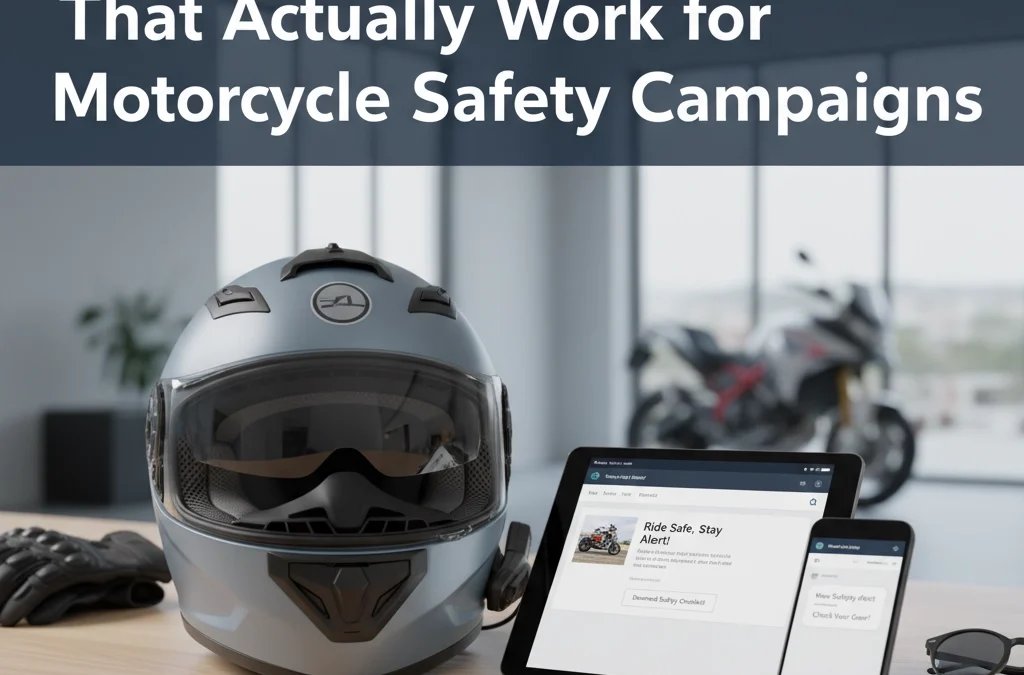
Email marketing serves as the most direct and cost-effective channel for reaching motorcycle riders with safety messages. Unlike broad media campaigns, email allows DOT officials and safety organizations to deliver personalized, targeted content that drives real behavior change. The key lies in strategic segmentation, compelling content, and automated sequences that nurture riders toward safer habits.
Why Email Works for Safety Campaigns
Think about it – riders check their phones constantly. Whether they're planning routes, checking weather, or browsing gear, email hits them right where they're already looking. But here's the thing: generic safety messages get deleted faster than you can say "wear your helmet."
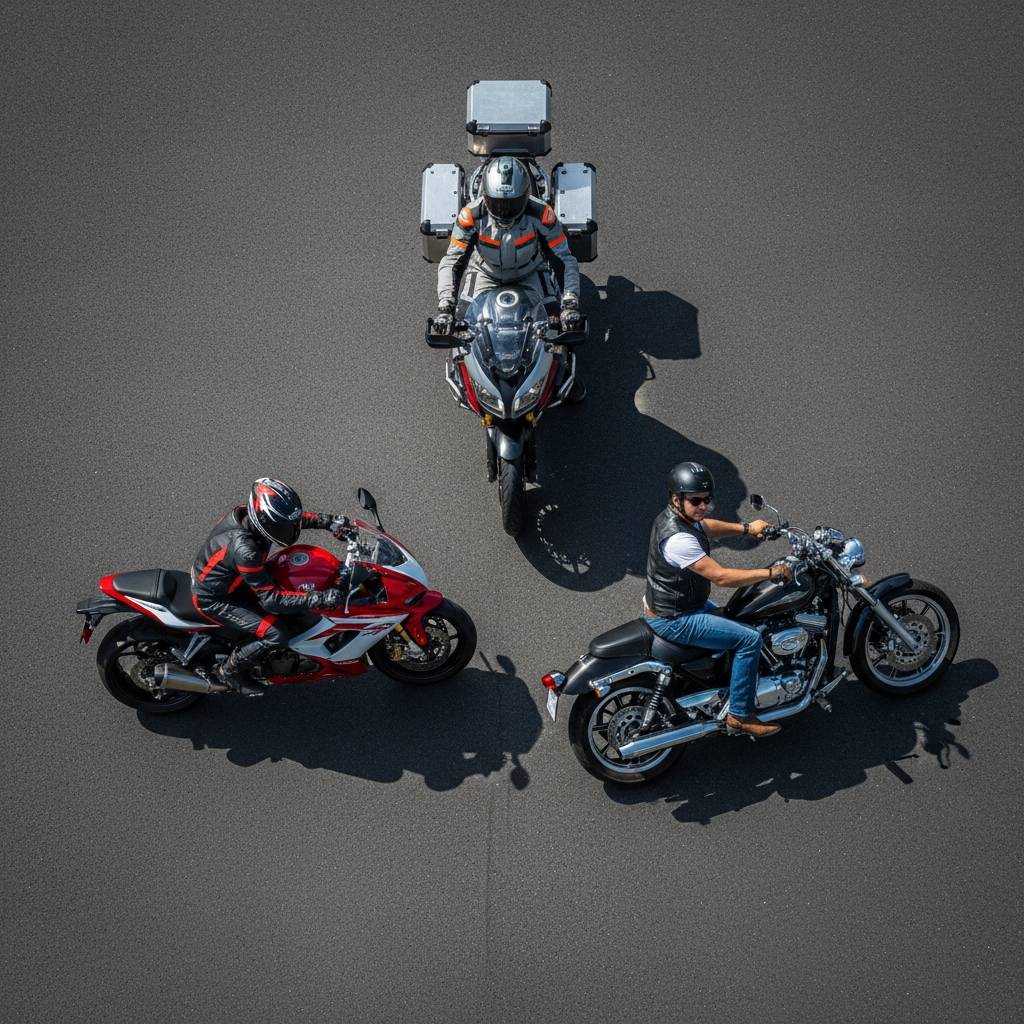
The magic happens when you treat riders like individuals with specific needs, experience levels, and risk factors. A new rider needs different information than a seasoned touring veteran. A sport bike rider faces different hazards than someone cruising on a Harley.
Segmentation That Actually Matters
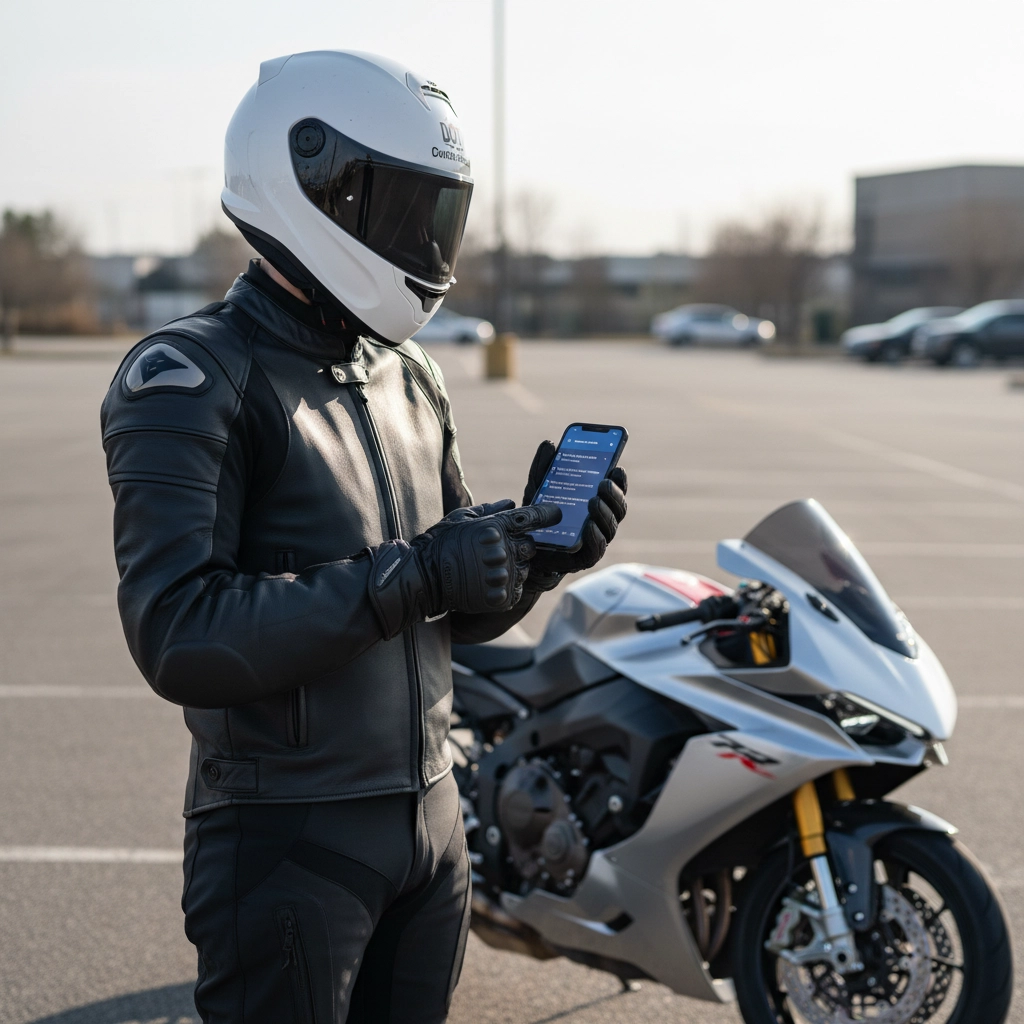
Start with riding experience levels. New riders need foundational safety education – how to properly fit a helmet, basic cornering techniques, and essential pre-ride checks. Experienced riders respond better to advanced topics like group riding protocols, maintenance schedules, or seasonal riding adjustments.
Geographic targeting works wonders. Mountain riders deal with elevation changes and switchbacks. Urban riders face traffic congestion and aggressive drivers. Rural riders navigate long stretches with limited services. Tailor your safety messages to match their environment.
Age-based segments reveal surprising insights. Younger riders often need reminders about basic protective gear and the dangers of showing off. Older returning riders may need refreshers on modern safety technology and updated traffic laws.
Consider injury history if you have that data. Riders who've been down before often become your most engaged subscribers – they understand consequences in ways others don't.
Subject Lines That Get Opened
Your subject line makes or breaks the entire campaign. Skip the corporate speak and get personal.
Instead of "Monthly Safety Newsletter," try "The mistake that nearly killed me last Tuesday." Instead of "Helmet Safety Reminder," go with "Why your $500 helmet might be useless."
Questions work brilliantly: "Ever had a close call that made you rethink everything?" Numbers grab attention: "3 seconds that separate crashes from close calls." Urgency creates action: "Before your next ride, check this."
Content That Changes Behavior
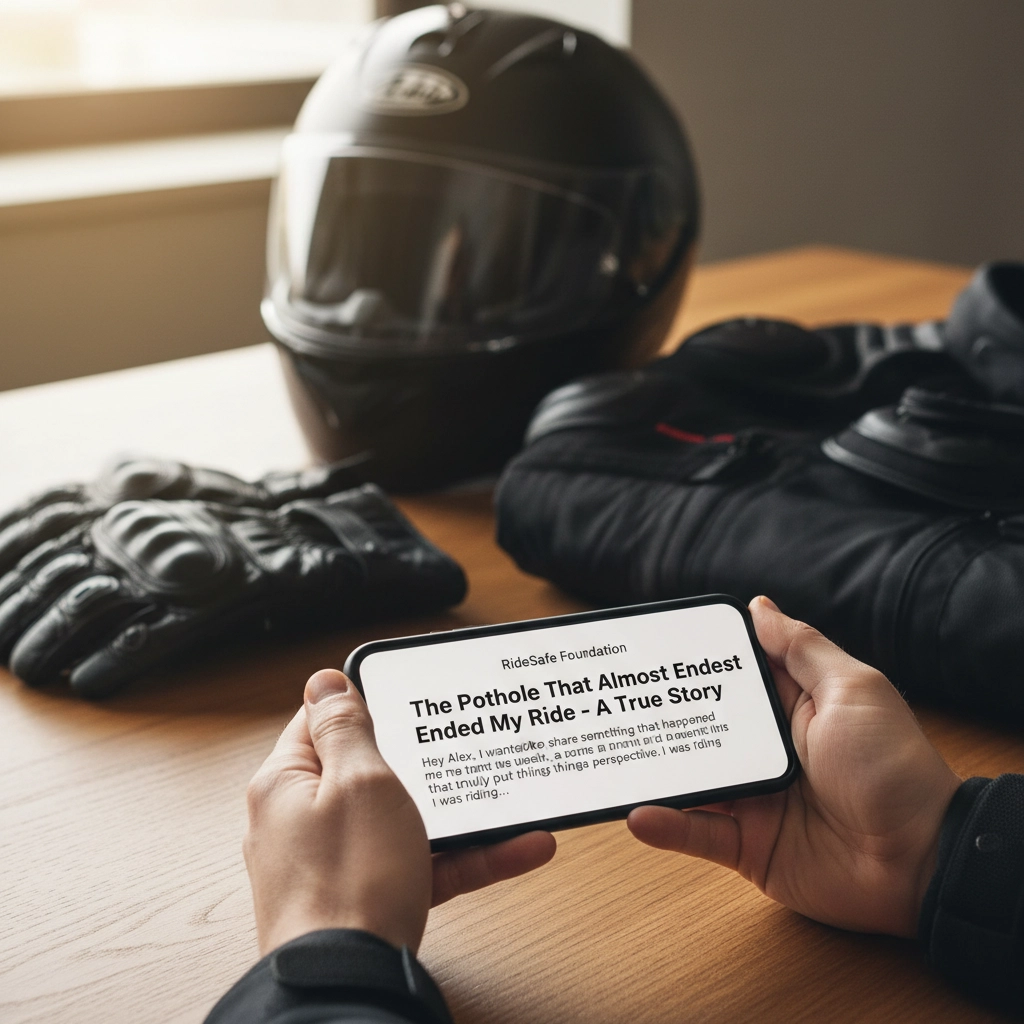
Tell stories, don't preach statistics. Everyone knows motorcycling involves risk. What they need are relatable scenarios and practical solutions. Share real crash stories with specific details about what went wrong and how it could have been prevented.
Make it visual. Include photos of proper riding gear, accident scenes (when appropriate), and step-by-step safety procedures. Videos embedded in emails work even better – a 30-second clip showing proper helmet fit teaches more than three paragraphs of text.
Seasonal relevance keeps things fresh. Spring emails focus on getting bikes road-ready after storage. Summer content addresses heat exhaustion and dehydration. Fall campaigns highlight leaf hazards and reduced daylight. Winter messages promote training courses and gear maintenance.
Automated Sequences That Nurture Safety
Set up automated email sequences triggered by specific behaviors or characteristics. Here's what works:
New subscriber welcome series: Email 1 introduces your organization and core safety philosophy. Email 2 shares your most popular safety checklist. Email 3 provides seasonal riding tips. Email 4 invites them to connect on social media or join local safety groups.
Experience-level progression: Move new riders through fundamental topics over several weeks. Start with basic gear selection, progress to pre-ride inspections, then cover traffic strategies and emergency responses.
Seasonal preparation campaigns: Two weeks before weather changes, start sending preparation emails. Winter storage tips in November, spring preparation in March, summer heat management in May.
Post-incident support sequences: For riders who've been in accidents, provide recovery resources, insurance guidance, and gradually reintroduce safety confidence-building content.
Personalization Beyond Names
Sure, using someone's first name helps, but real personalization goes deeper. Reference their bike type, riding preferences, or previous email interactions.
"Since you ride a sport bike, here's how to handle emergency braking at speed." "You mentioned touring – here's gear that works for long distances." "Thanks for downloading our pre-ride checklist – here's the advanced version."
Track what content they engage with and send more of the same. If someone clicks on gear reviews, send more gear-focused safety content. If they download maintenance guides, focus on mechanical safety topics.
Mobile-First Design Reality
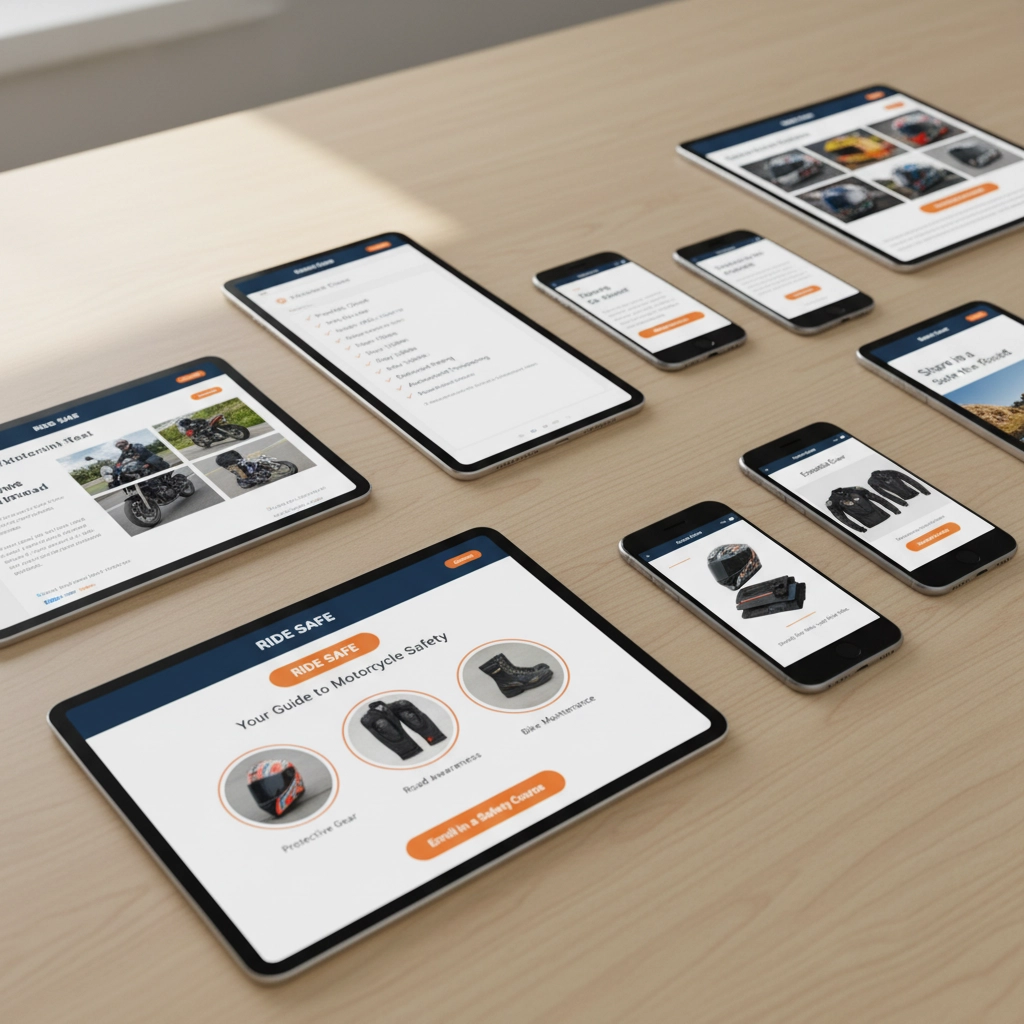
Most riders check email on their phones, often while planning rides or sitting in parking lots between destinations. Your emails must work perfectly on small screens.
Use single-column layouts, large buttons, and readable fonts. Keep subject lines under 40 characters so they don't get truncated. Make images load quickly and include alt text for accessibility.
Test every email on multiple devices before sending. What looks great on your desktop might be unreadable on a phone screen.
Timing and Frequency Strategy
Timing matters more than you think. Tuesday through Thursday mornings work best for safety content – people are planning their week and thinking ahead. Avoid Monday mornings (too busy) and Friday afternoons (weekend mindset).
Seasonal frequency adjustments work. During peak riding season, weekly emails feel natural. In winter months, scale back to bi-weekly or monthly unless you're promoting training courses or gear maintenance.
Event-triggered timing creates urgency. Send weather alerts, road condition updates, or safety reminders tied to specific events or conditions.
Measuring What Matters
Open rates tell you about subject line effectiveness. Click-through rates reveal content relevance. But the real metrics for safety campaigns go deeper.
Track downloads of safety checklists, registrations for training courses, and engagement with safety-related social media content. Survey subscribers about behavior changes – do they wear gear more consistently? Perform pre-ride checks? Avoid risky situations?
Long-term engagement metrics matter most. A subscriber who stays engaged for months is more likely to internalize safety messages than someone who unsubscribes after a few emails.
Integration with Other Channels
Email works best as part of a broader safety ecosystem. Cross-promote your social media content, driving school partnerships, and safety gear recommendations.
Include social sharing buttons so readers can spread safety messages to their riding communities. Link to relevant blog posts on your website for deeper information. Partner with local dealerships to cross-promote safety content with gear sales.
The most effective motorcycle safety campaigns combine personal connection with practical information. Email provides the perfect platform for building those relationships over time, turning one-time safety reminders into ongoing conversations that genuinely influence riding behavior.
Ready to launch email campaigns that actually change riding behavior? Visit RideFearFree.net for proven safety marketing strategies, or call our AI Receptionist at +1 (970) 693-4854 to discuss your campaign goals.
Connect with Dan Kost, CEO on LinkedIn for marketing insights and safety advocacy updates.
Share this post:
- LinkedIn: [Share on LinkedIn]
- Facebook: [Share on Facebook]
- Instagram: [Share on Instagram]
- X (Twitter): [Share on X]
Join the conversation! Comment below with your most effective safety marketing tactics, and don't forget to subscribe for weekly marketing insights.
Tags: #Motivation #Branding #Strategy #Marketing #AdvertisingAndMarketing #digitalmarketing #Innovation #Sports #EmailMarketing #MotorcycleSafety #DOTCampaigns #SafetyMarketing #RiderEducation #BehaviorChange
