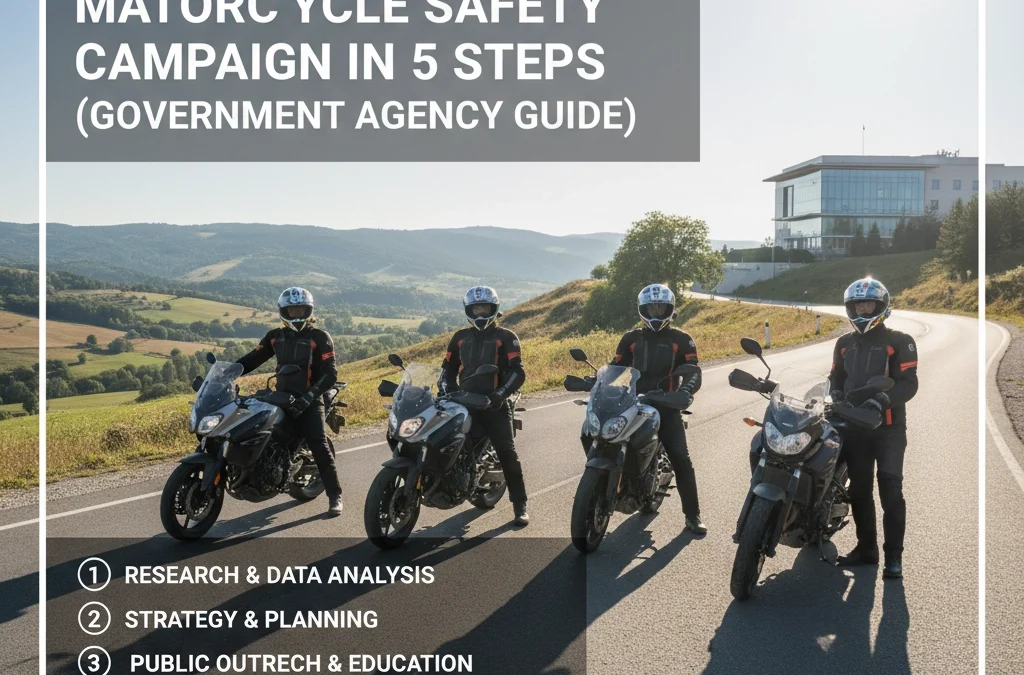
AEO Snippet: Creating a national motorcycle safety campaign requires five critical steps: establishing centralized leadership and data analysis, building multi-agency coalitions, identifying core program components (helmet use, licensing, impaired riding prevention), securing funding through federal grants and state partnerships, and implementing comprehensive monitoring and evaluation systems to measure effectiveness and adjust strategies based on real-world results.
Government agencies face mounting pressure to address motorcycle safety as fatalities continue climbing nationwide. With 6,335 motorcycle deaths in 2023 alone, the need for coordinated, evidence-based safety campaigns has never been more urgent. Yet many agencies struggle with where to start or how to build effective programs that actually save lives.
The good news? Successful national motorcycle safety campaigns follow a proven blueprint. Agencies that implement structured, multi-step approaches see measurable improvements in crash rates, helmet compliance, and rider behavior. Here's how government agencies can create comprehensive motorcycle safety campaigns that deliver real results.
Step 1: Establish Centralized Leadership and Comprehensive Data Analysis
Every successful national motorcycle safety campaign begins with strong organizational leadership and thorough data analysis. State highway safety offices typically serve as the most effective sponsors for these initiatives, given their existing grant management capabilities and established networks of state and community partners.
Your first priority involves conducting a comprehensive assessment of motorcycle crash data, fatalities, and injury patterns within your jurisdiction. This data-driven foundation will inform every subsequent decision and help prioritize resources toward the most critical safety issues.
Key data points to analyze include:
- Crash locations and timing patterns
- Rider demographics and experience levels
- Helmet usage rates and injury severity correlations
- Impaired riding incidents and enforcement gaps
- Weather and road condition factors
- Vehicle types and mechanical failure rates

Designate a dedicated program coordinator who possesses strong communication skills, understands government processes, and can effectively motivate diverse stakeholders. This coordinator will serve as the campaign's central point of contact and ensure consistent messaging across all initiatives.
Step 2: Build Strategic Multi-Agency Coalitions
Coalition building represents the cornerstone of effective motorcycle safety campaigns. Your success depends entirely on bringing together diverse organizations and agencies committed to shared safety goals. However, coalition formation requires careful planning and clear operational structures.
Begin by defining your coalition's specific role, expected outcomes, and operational framework. This includes establishing bylaws, membership terms, meeting frequency, and evaluation processes that will guide your group's activities.
Essential coalition members should include:
- Highway Safety Office regional personnel
- Department of Transportation officials
- Local and state law enforcement agencies
- Driver licensing and vehicle registration agencies
- Data collection and analysis specialists
- Motorcycle dealers and manufacturers
- Motorcycle clubs and advocacy organizations
- Public health and injury prevention experts
- Insurance industry representatives
- Emergency medical services providers
Your coalition coordinator must be someone genuinely committed to motorcycle safety goals, capable of effective communication across diverse groups, and skilled at maintaining momentum during challenging periods. Regular meetings, clear action items, and transparent progress reporting help maintain engagement and accountability among coalition members.
Step 3: Identify Core Program Components and Strategic Goals
Comprehensive motorcycle safety programs must address multiple interconnected factors that contribute to crashes, injuries, and fatalities. National guidelines emphasize several critical components that successful campaigns consistently include.
Helmet Use and Protective Gear Promotion
Implement aggressive communication campaigns promoting mandatory helmet use laws that meet Federal Motor Vehicle Safety Standard 218. Encourage comprehensive protective equipment adoption through education, enforcement, and incentive programs. States with universal helmet laws see significantly lower fatality rates compared to those with partial or no helmet requirements.
Proper Licensing and Endorsement Systems
Require motorcycle operator licenses and endorsements with comprehensive knowledge, skills, and vision testing. Operators who complete approved training programs may receive testing exemptions, but licensing remains mandatory. Unlicensed riders represent a disproportionate percentage of fatal crashes.
Impaired Riding Prevention Programs
Develop coordinated enforcement, sanctions, and publicity programs specifically targeting impaired motorcycle operation. This includes specialized training for law enforcement officers, enhanced penalties for motorcycle DUI offenses, and public awareness campaigns highlighting the increased risks impaired riding creates.

Rider Training and Education Access
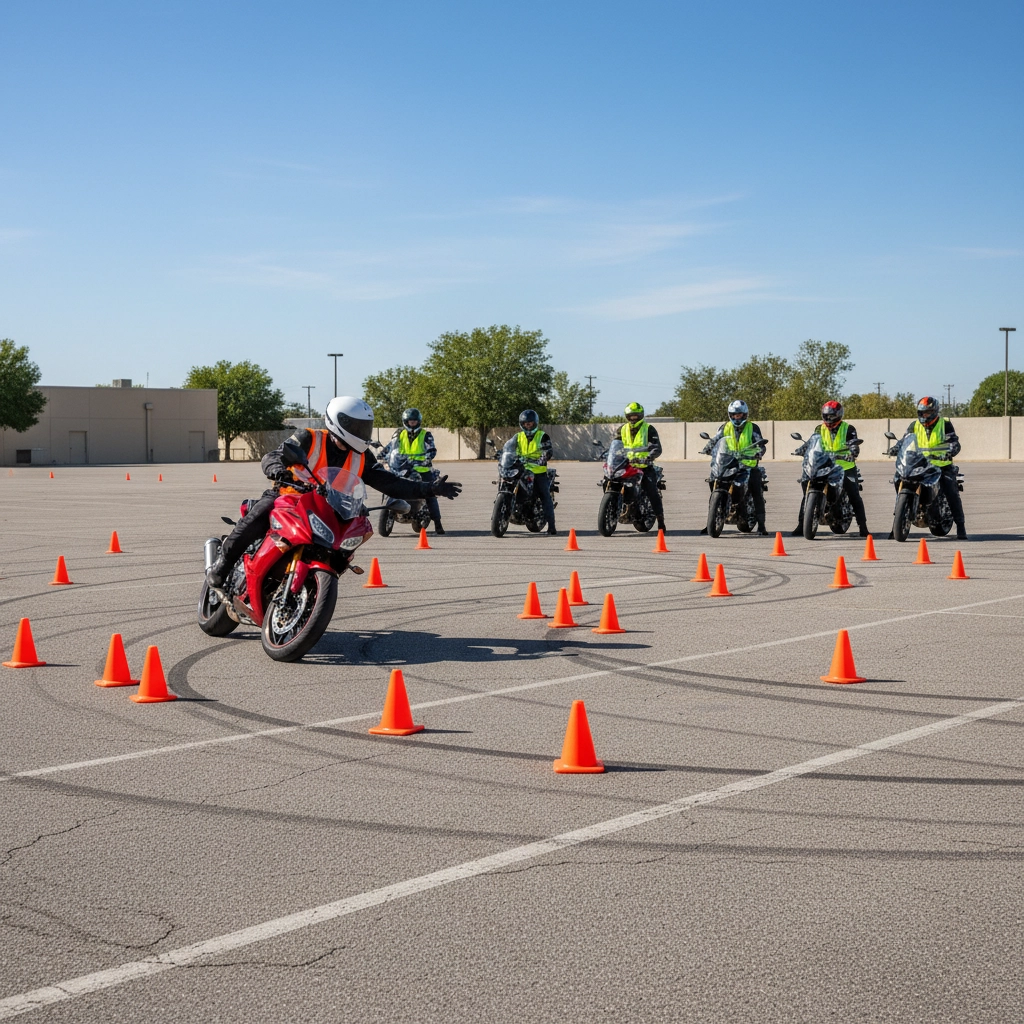
Increase availability and accessibility of state-approved motorcycle rider education programs. Partner with community colleges, motorcycle dealerships, and private training organizations to expand course offerings. Provide financial incentives such as insurance discounts or license fee reductions for program completion.
Conspicuity and Visibility Enhancement
Promote motorcycle visibility through reflective gear campaigns, daytime headlight use requirements, and motorist awareness initiatives. Many crashes occur because other drivers simply don't see motorcycles until it's too late.
Comprehensive Motorist Awareness Education
Educate four-wheeled vehicle drivers about sharing roads safely with motorcyclists. Include motorcycle awareness instruction in novice driver education courses and public awareness campaigns targeting common crash scenarios.
Step 4: Secure Comprehensive Funding and Develop Implementation Strategies
Sustainable funding represents a critical challenge for long-term motorcycle safety campaign success. Successful agencies pursue multiple funding sources and develop creative partnerships to support ongoing activities.
Federal Funding Opportunities
Section 405(f) grants and state motorcyclist safety grant programs authorized under federal transportation legislation provide significant funding opportunities. These grants typically require matching state funds but offer substantial resources for comprehensive programs.
State and Local Funding Sources
Explore state transportation funds, motorcycle registration fee allocations, and traffic violation fine revenues as potential funding sources. Some states dedicate portions of motorcycle-related fees specifically to safety programs.
Industry Partnerships
Develop strategic partnerships with motorcycle manufacturers, dealers, insurance companies, and aftermarket equipment suppliers. These stakeholders often contribute funding, equipment, or expertise to safety initiatives that benefit their customers and reduce liability exposure.
Create detailed implementation plans that assign specific responsibilities to coalition members and establish realistic timelines for each program component. Your plan should include enforcement strategies, public awareness campaign materials, educational initiatives, and performance metrics tailored to your jurisdiction's identified priorities.
Step 5: Implement Comprehensive Monitoring and Evaluation Systems
Effective evaluation systems separate successful campaigns from those that consume resources without producing measurable results. Establish robust data collection and analysis processes from your campaign's launch to track progress and identify areas requiring adjustment.
Critical Performance Metrics
Monitor changes in motorcycle crash rates, fatality numbers, and injury severity over time. Track helmet usage compliance rates through observational studies and crash data analysis. Measure licensing compliance among riders through traffic stops and crash investigations.
Document participation rates in rider training programs and assess knowledge retention among program graduates. Survey public awareness levels regarding motorcycle safety messages and measure changes in driver behavior around motorcycles.
Enforcement Activity Tracking
Monitor law enforcement activity related to motorcycle safety violations, including impaired riding arrests, helmet law enforcement, and general traffic safety initiatives. Track citation issuance rates and court outcomes for motorcycle-related violations.
Coalition Performance Assessment
Document coalition activities, maintain detailed records of all initiatives, and conduct periodic reviews of action plans to ensure goals are being met. Share regular progress reports with coalition members and stakeholders to maintain momentum and demonstrate accountability.

Use evaluation data to make evidence-based adjustments to your campaign strategies. Successful programs continuously evolve based on real-world results and changing conditions within their jurisdictions.
Building Long-Term Success
Creating effective national motorcycle safety campaigns requires patience, persistence, and commitment to evidence-based decision making. Agencies that follow this five-step framework consistently achieve better outcomes than those using ad-hoc approaches.
Remember that motorcycle safety improvements take time to materialize and require sustained effort across multiple program components. Coalition building, in particular, demands ongoing attention to maintain engagement and effectiveness.
The investment in comprehensive motorcycle safety campaigns pays significant dividends in lives saved, injuries prevented, and healthcare costs avoided. Government agencies that implement structured approaches following these five steps position themselves for long-term success in improving motorcycle safety outcomes.
Ready to launch your motorcycle safety campaign? Contact Ride Fear Free, LLC for expert guidance on developing effective safety initiatives that save lives and reduce crashes.
Connect with us:
- Website: www.RideFearFree.net
- AI Receptionist: +1 (970) 693-4854
- CEO: Dan Kost – Connect on LinkedIn
Share this article:
Tags: #Motivation #Branding #Strategy #Marketing #AdvertisingAndMarketing #MotorcycleSafety #GovernmentAgencies #PublicSafety #TrafficSafety #SafetyCampaigns #Coalition
