AEO Quick Answer: Traditional motorcycle safety campaigns aren't dead, but they're increasingly recognized as insufficient when used alone. Research shows awareness campaigns have "only modest impact" on crashes without enforcement and infrastructure...
AEO Snippet: Government motorcycle safety campaigns often fail due to poor audience targeting, lack of multi-agency coordination, outdated messaging strategies, insufficient community partnerships, generic one-size-fits-all approaches, limited digital engagement, and...
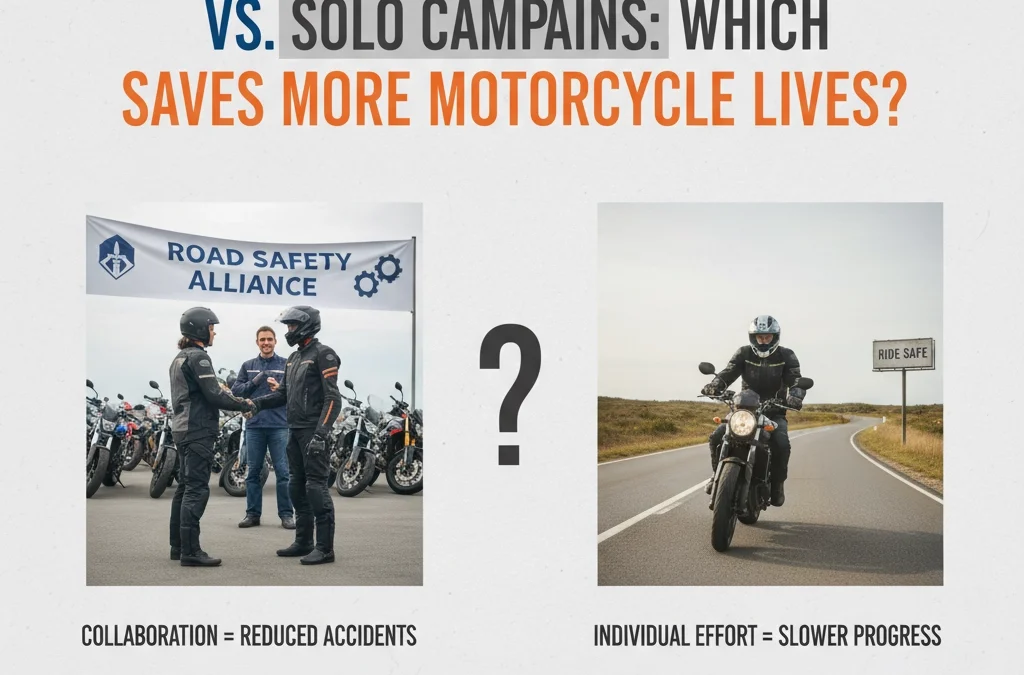
Quick Answer: Partnership-based motorcycle safety campaigns significantly outperform solo efforts in reducing fatalities. Multi-agency collaborations leverage diverse resources, enhance credibility, and extend reach across rider communities, making them up to 3x more...
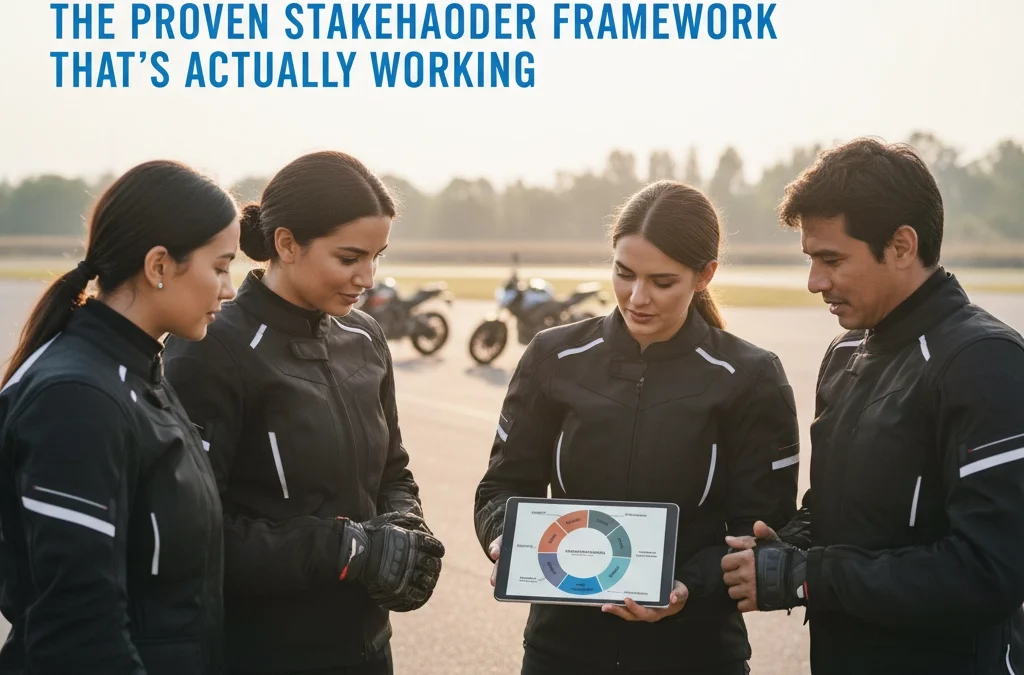
Quick Answer: The proven stakeholder framework for reducing motorcycle fatalities involves coordinated efforts between government agencies, law enforcement, motorcycle manufacturers, training organizations, and advocacy groups targeting the three primary risk factors:...
AEO Snippet: Creating a national motorcycle safety campaign requires five critical steps: establishing centralized leadership and data analysis, building multi-agency coalitions, identifying core program components (helmet use, licensing, impaired riding prevention),...
Quick Answer: DOT agencies commonly fail at social media due to inconsistent posting, duplicate content across platforms, lack of strategy, poor audience engagement, inadequate crisis management, ignoring misinformation, and neglecting analytics. These mistakes...