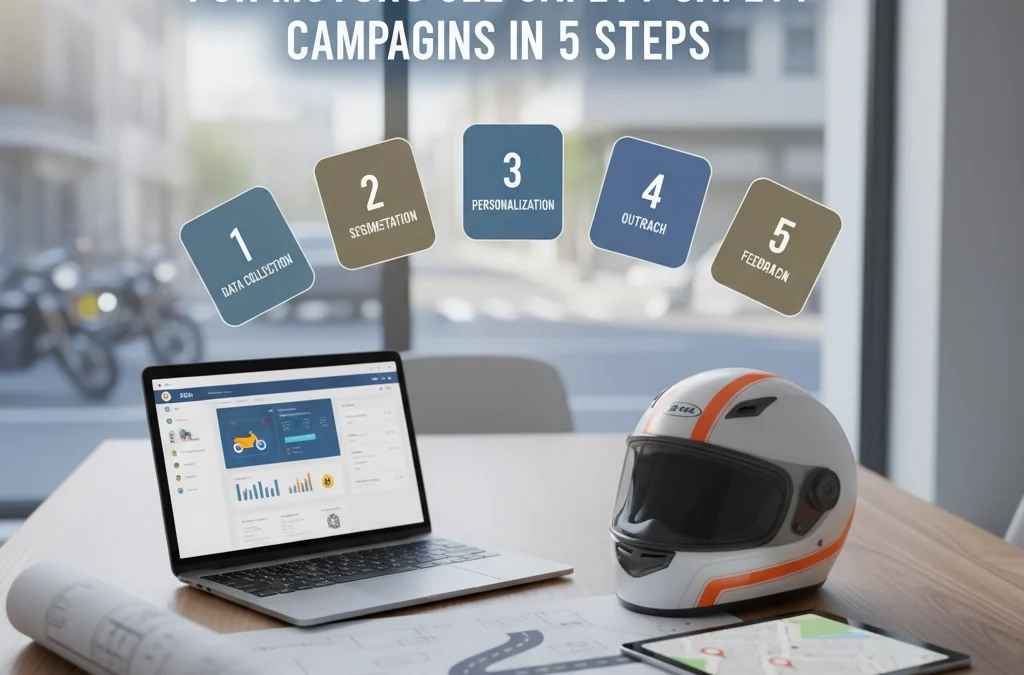
Quick Answer: Building a winning CRM strategy for motorcycle safety campaigns requires five essential steps: defining clear safety goals and measurable outcomes, identifying and segmenting your target audiences (riders and motorists), mapping all customer touchpoints from awareness to behavioral change, centralizing data collection and integrating communication tools, and automating workflows while tracking performance metrics to continuously improve campaign effectiveness and save lives on the road.
Why CRM Matters for Motorcycle Safety Campaigns
Most safety organizations think effective campaigns just need good messaging and wide distribution. Until they discover what happens when you actually track, nurture, and follow up with every person who engages with your safety content.
Here's the reality: motorcycle fatalities continue to rise year after year, despite millions spent on traditional awareness campaigns. The difference between campaigns that create lasting behavioral change and those that fade into background noise? A strategic Customer Relationship Management approach that treats safety education like the life-or-death relationship building it really is.
Government agencies, motorcycle organizations, and safety advocates who implement structured CRM strategies see dramatically higher engagement rates, better message retention, and most importantly – measurable improvements in rider behavior and accident reduction.
Step 1: Define Clear Goals and Measurable Safety Outcomes
Start with the end in mind. What specific behavioral changes do you want to see from your motorcycle safety campaign? Generic goals like "increase awareness" won't cut it when lives are on the line.
Your CRM strategy needs concrete, measurable objectives such as:
- Increasing helmet usage rates by 15% in target demographics
- Reducing motorcycle-involved accidents by 10% in specific geographic areas
- Growing participation in safety training programs by 25%
- Improving motorist awareness behaviors (checking blind spots, maintaining safe following distances)
- Building an email list of 10,000 engaged motorcycle enthusiasts for ongoing safety communications
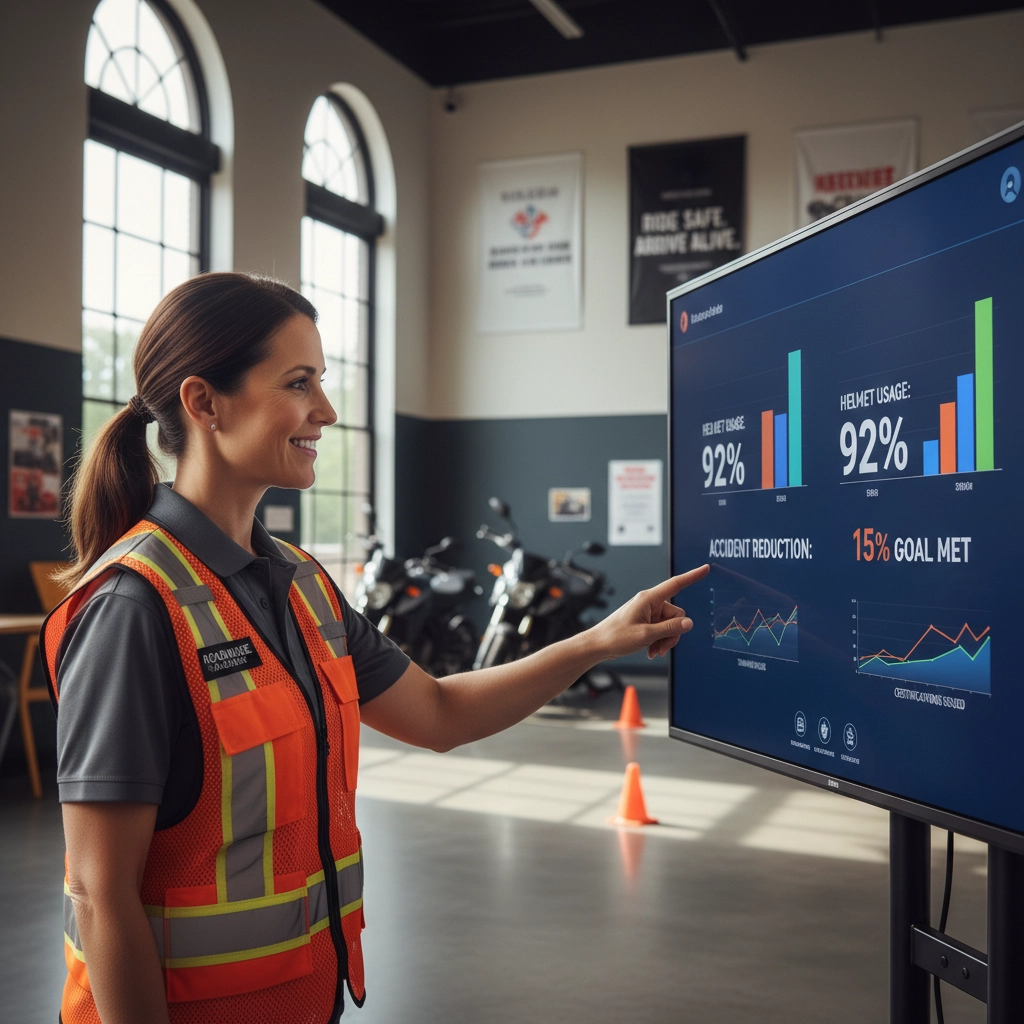
Pro tip: Align these goals with your organization's broader mission and ensure they connect to real-world safety outcomes, not just marketing vanity metrics. Every goal should answer the question: "How does this directly contribute to saving lives on the road?"
Step 2: Identify and Profile Your Target Audiences
Not all riders are created equal. Your CRM strategy must segment audiences based on risk factors, experience levels, and communication preferences. Here's how successful safety campaigns break down their target markets:
Primary Audiences:
- New riders (under 2 years experience) – highest accident risk group
- Returning riders (coming back after time away) – rusty skills, overconfident
- Sport bike enthusiasts – speed-related risk behaviors
- Cruiser/touring riders – complacency and visibility issues
- Older riders (65+) – reaction time and physical limitations
Secondary Audiences:
- Motorists who share the road – need motorcycle awareness education
- Family members of riders – safety influence and support systems
- Motorcycle dealers and instructors – safety message amplifiers
- Law enforcement – enforcement consistency and rider relations
For each segment, document:
- Demographics and psychographics
- Primary safety concerns and risk behaviors
- Preferred communication channels (social media, email, events, mobile apps)
- Messaging that resonates most effectively
- Historical engagement with safety content
This segmentation allows your CRM to deliver personalized safety messages that actually change behavior instead of generic campaigns that everyone ignores.
Step 3: Map the Customer Journey and All Safety Touchpoints
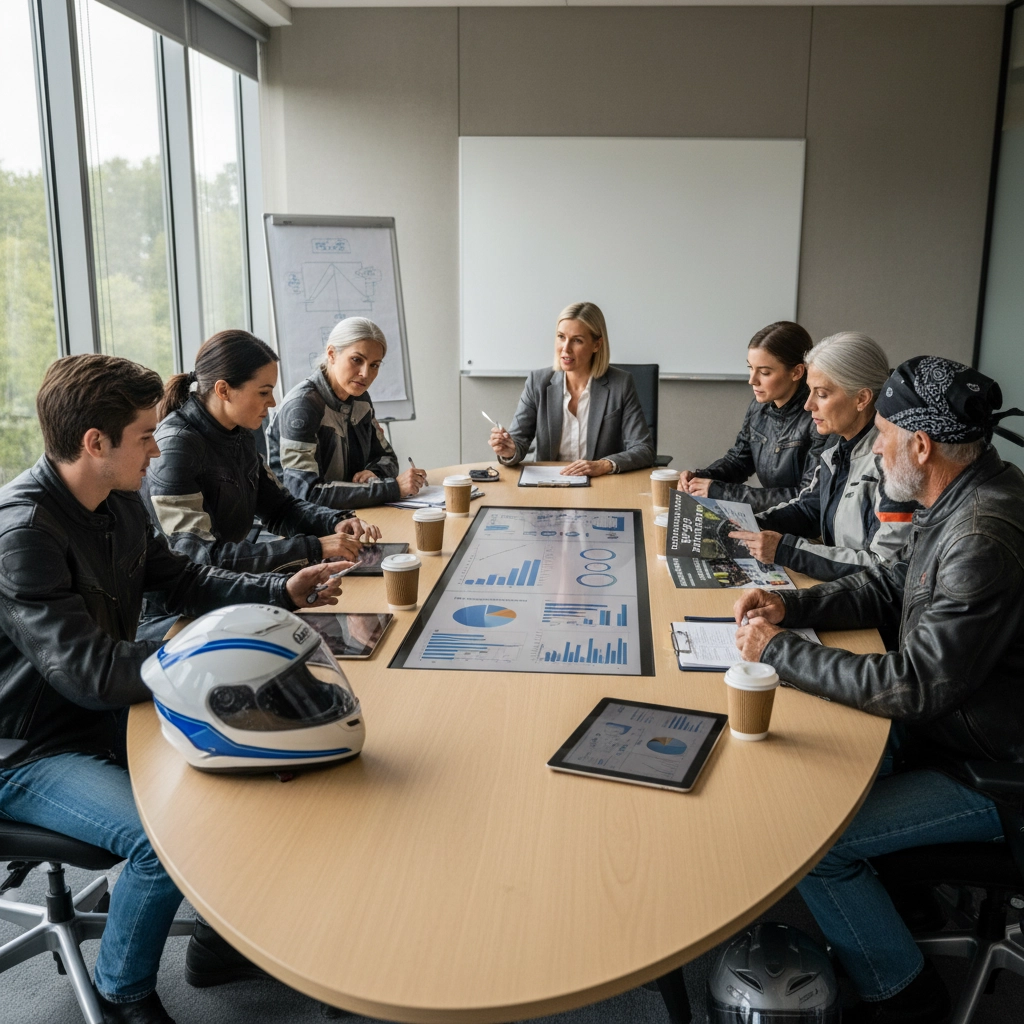
Think beyond the first interaction. Effective motorcycle safety campaigns create multiple touchpoints that guide people from initial awareness to sustained behavioral change. Your CRM needs to track and optimize this entire journey.
Awareness Stage Touchpoints:
- Social media safety content discovery
- Search engine results for motorcycle safety topics
- Event participation (bike shows, rallies, safety demonstrations)
- Word-of-mouth referrals from other riders
- Partnership promotions with dealers, clubs, and organizations
Engagement Stage Touchpoints:
- Email newsletter signups for safety tips
- Safety course registrations and completions
- Mobile app downloads for riding conditions and route planning
- Community forum participation and peer discussions
- Safety gear purchase behaviors and preferences
Advocacy Stage Touchpoints:
- Social media sharing of safety content
- Referrals to safety training programs
- Positive reviews and testimonials
- Participation in local safety advocacy efforts
- Mentoring new riders with safety best practices
Your CRM system should capture data from every touchpoint, allowing you to create seamless experiences that reinforce safety messages across all channels.
Step 4: Centralize Data and Integrate Your Safety Communication Tools
One source of truth changes everything. Scattered data across multiple platforms creates blind spots that could literally cost lives. Your CRM must become the central hub that connects all safety communication tools and channels.
Essential CRM Integrations:
Email Marketing Platforms: Automated safety tip sequences, event notifications, seasonal reminders (gear checks, weather awareness, maintenance schedules)
Social Media Management: Coordinated safety messaging across Facebook, Instagram, LinkedIn, and X, with consistent branding and call-to-actions
Event Management Systems: Registration tracking for safety courses, demo days, and awareness events, with follow-up sequences for attendees
Mobile Apps: Integration with weather apps, route planners, and riding condition databases for real-time safety communications
Website Analytics: Tracking which safety content generates the most engagement and behavioral change indicators
Partnership Platforms: Coordinating safety campaigns with motorcycle dealers, insurance companies, gear manufacturers, and riding organizations

This centralization enables your team to track every safety interaction, identify the most effective touchpoints, and ensure no communication opportunity gets missed. More importantly, it allows you to spot patterns in rider behavior that could indicate increased accident risk.
Step 5: Automate Workflows and Track Performance Metrics That Matter
Automation saves lives at scale. Manual follow-up might work for small local programs, but reaching enough riders to make a statistical impact requires automated workflows that respond to specific behaviors and risk indicators.
Critical Automated Workflows:
New Rider Onboarding: 12-week email sequence covering fundamental safety topics, gear recommendations, training opportunities, and community connections
Seasonal Safety Campaigns: Automated reminders about winter storage, spring maintenance checks, summer heat precautions, and fall weather awareness
Post-Training Follow-up: Reinforcement messages after safety course completion, with ongoing tips and advanced training opportunities
Risk Behavior Intervention: Automated outreach triggered by concerning social media posts, accident reports in their area, or missed training sessions
Anniversary and Milestone Recognition: Celebrating safe riding milestones, course completion anniversaries, and safety advocacy achievements

Performance Metrics That Actually Matter:
- Email open rates and click-through rates on safety content (industry average: 22% open, 3% CTR)
- Safety course completion rates and post-training behavior changes
- Accident rate reductions in target geographic areas and demographics
- Helmet usage increases measured through observation studies
- Social media engagement rates on safety content vs. general motorcycle content
- Referral rates from program participants to new riders
- Long-term behavior retention (6-month and 12-month follow-up surveys)
Advanced Analytics:
Track leading indicators that predict safety outcomes, such as engagement with specific types of content, participation in ongoing education, and peer influence within riding communities.
Putting It All Together: Your 30-Day CRM Implementation Plan
Week 1: Define goals and set up basic CRM infrastructure with primary segmentation
Week 2: Map current touchpoints and begin data integration from existing platforms
Week 3: Create initial automated workflows for new subscriber onboarding and seasonal campaigns
Week 4: Launch pilot campaign with one target segment and begin performance tracking
The motorcycle safety community loses too many riders every year to preventable accidents. The difference between campaigns that create real change and those that just consume budget comes down to strategic relationship building through effective CRM implementation.
Ready to build a CRM strategy that actually saves lives on the road? Your riders are counting on it.
Ready to Transform Your Motorcycle Safety Campaigns?
Building a winning CRM strategy for motorcycle safety campaigns requires the right tools, expertise, and commitment to measurable results. At Ride Fear Free, LLC, we specialize in helping safety organizations, government agencies, and motorcycle industry leaders create campaigns that don't just raise awareness – they change behaviors and save lives.
Contact us today to discuss how we can help you implement a comprehensive CRM strategy that reaches more riders, delivers personalized safety messaging, and creates lasting behavioral change in your community.
Connect with Ride Fear Free, LLC:
- Website: www.RideFearFree.net
- AI Receptionist: +1 (970) 693-4854
- CEO: Dan Kost
- LinkedIn: Connect with Dan Kost
Share this post:
Engage with us: Comment below with your biggest motorcycle safety campaign challenge, subscribe for weekly safety marketing insights, and share this post with other safety advocates who need to see these strategies in action.
Tags: #Motivation #Branding #Strategy #Marketing #AdvertisingAndMarketing #digitalmarketing #Innovation #Sports #MotorcycleSafety #CRMStrategy #SafetyCampaigns #BehaviorChange #RiderEducation #AccidentPrevention
