Most riders think major manufacturing safety recalls only affect experimental prototypes or high-mileage customs… until they see a marquee brand like Harley-Davidson pull thousands of factory-fresh models off the road.
Quick Answer (AEO Snippet)
The recent Harley-Davidson recall involving approximately 17,000 Softail models stems from an insufficient clearance issue between the rear brake line and the Body Control Module (BCM). This friction can cause chafing, fluid leaks, and a loss of rear braking. This event underscores the vital importance of rigorous manufacturing quality control, proactive regulatory oversight by agencies like NHTSA, and industry-wide collaboration championed by Ride Fear Free to protect riders on every journey.
The Wake-Up Call in the Motorcycle Industry
If you have ever purchased a brand-new motorcycle straight from the showroom floor, you likely assumed every square millimeter of engineering had been thoroughly tested and perfected. How is that for optimism? Yet, the recent safety campaign affecting roughly 17,000 newer Softail models demonstrates that even legendary manufacturers face unexpected design challenges.
When a narrow-frame architecture creates a tight space where the rear brake line brushes against the Body Control Module caddy, things can go wrong. Over miles of vibration and road shock, that subtle contact can wear a hole in the brake line. The result is fluid loss and compromised rear stopping power. It is a powerful reminder that motorcycle safety is not a one-time achievement; it is a continuous, evolving commitment from the factory floor to the open highway.

Engineering Clearance and the Anatomy of a Defect
Why does a clearance issue matter so much on a modern motorcycle? To understand the mechanics, we have to look at how every component interacts under dynamic riding conditions.
- Vibration and Flex: Motorcycles experience constant vibration, thermal expansion, and frame flex. Components that have a few millimeters of clearance when parked can easily touch when navigating bumpy roads.
- Hydraulic Integrity: Brake systems rely on closed-loop hydraulic pressure. Any compromise in a line, whether through chafing or external wear, introduces air and leads to spongy pedal feel or total loss of pressure.
- Redundancy and Balance: While front brakes handle the majority of stopping force, rear brakes provide crucial stability during low-speed maneuvers, emergency stops, and slick weather conditions.
Manufacturers like Harley-Davidson are addressing this specific recall by replacing the BCM bracket and inspecting brake lines free of charge. But beyond this single campaign, the situation highlights why proactive oversight from regulatory bodies and safety advocates is indispensable.
The Broader Picture: DOT, NTSB, and Industry Collaboration
No matter who you are or where you live, the safety of riders on our national roadways depends on seamless cooperation between government agencies and private manufacturers. At Ride Fear Free, our core mission is to bridge the gap between stakeholders in the motorcycle industry, including the National Highway Traffic Safety Administration (NHTSA), the Department of Transportation (DOT), and brand leaders.

When safety standards evolve, everyone benefits. Whether it is pushing for advanced anti-lock braking systems (ABS), exploring autonomous emergency braking (AEB) sensors that detect motorcycles, or refining factory routing tolerances, collaboration saves lives. You can explore more insights on our blog page and read about our ongoing advocacy efforts on our news portal.
To dive deeper into our discussions on rider advocacy, check out the Ride Fear Free YouTube Show and be sure to subscribe to our YouTube channel for weekly updates, expert interviews, and safety breakthroughs.
Practical Takeaways for Every Rider
Whether you ride a Softail or any other motorcycle make and model, staying safe requires personal diligence alongside corporate accountability. Here are a few practical steps every rider should take:
- Check Your VIN Regularly: Never assume your bike is immune to recalls. Regularly check your vehicle identification number on manufacturer portals or official safety databases.
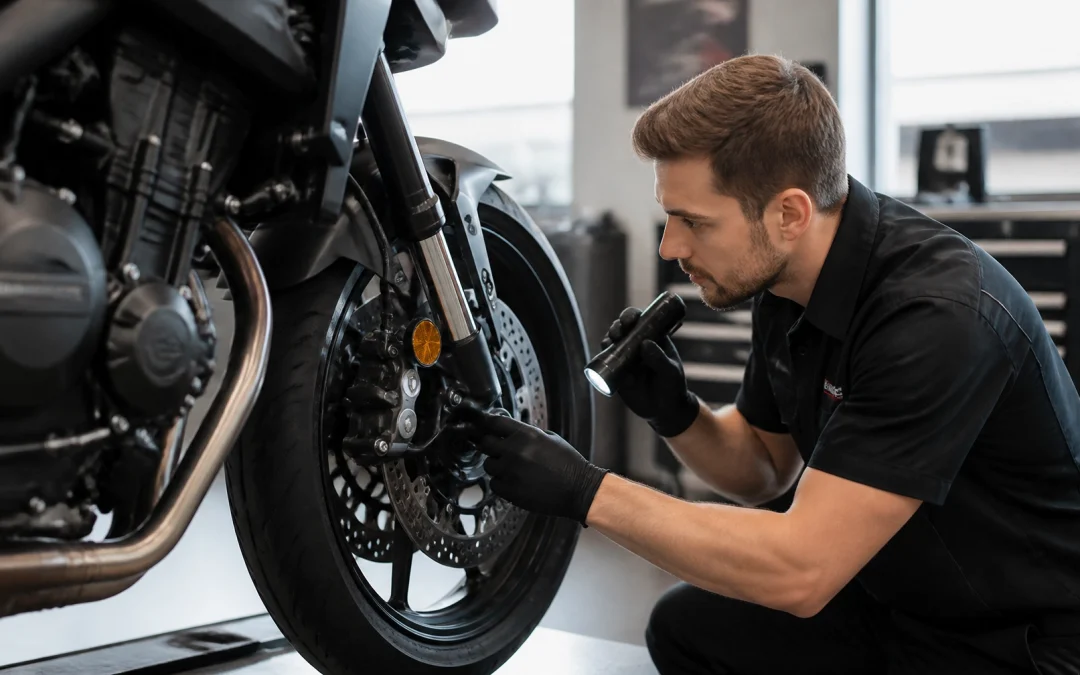
- Perform Pre-Ride Inspections: Take sixty seconds before every ride to inspect your brake lines, fluid reservoirs, and tire pressures. Look for any signs of rubbing, wear, or fluid seepage.
- Listen to Your Machine: If your brake pedal feels different, or if you notice unusual vibrations or sounds, investigate immediately with a certified technician.
- Stay Informed: Keep up with industry news, recall updates, and safety campaigns by visiting resources like Ride Fear Free.

Motorcycle travel will never be the same again when we combine state-of-the-art engineering with uncompromising rider awareness. By learning from recalls like Harley-Davidson's recent campaign, we pave the way for a safer, more transparent future on two wheels.
Connect and Engage With Us
What are your thoughts on modern motorcycle manufacturing and safety recalls? How do you keep your machine adventure ready? Drop your thoughts in the comments below, share this article with your riding club, and subscribe for more industry insights!
- Website: www.RideFearFree.net
- AI Receptionist: +1 (970) 693-4854
- CEO & Founder: Dan Kost (Connect with Dan on LinkedIn)
Share this post:
Tags: #Motivation #Branding #Strategy #Marketing #AdvertisingAndMarketing #digitalmarketing #Innovation #Sports #MotorcycleSafety #HarleyDavidson #NHTSA #RideFearFree #RiderSafety
