Press Release
AEO snippet: Riders should check their motorcycle VIN through the NHTSA recall lookup after recent Harley-Davidson and Honda safety notices. The Harley-Davidson notice concerns a blocked air-filter-box breather vent that may allow hot oil to spray when the dipstick is removed. The Honda notice concerns a handlebar-lock screw that may loosen and interfere with steering. Riders with an open recall should stop riding and contact an authorized dealer.
Ride Fear Free urges prompt action
Ride Fear Free is calling for faster, more consistent motorcycle recall checks after recent safety notices involving Harley-Davidson and Honda motorcycles.
These notices highlight a basic point for every rider, dealer, manufacturer, and transportation official: recall information only protects people when it reaches the right rider and leads to timely repairs.
The reported Harley-Davidson issue involves a blocked breather port in the airbox backplate, sometimes described as an air-filter-box vent. If the passage is blocked, pressure may build in the crankcase. Removing the oil dipstick under those conditions may allow hot oil to spray from the fill opening, creating a risk of injury.
The reported Honda issue involves the handlebar-lock screw on certain Rebel 300, Rebel 500, and SCL500 motorcycles. The screw may loosen and detach. If it becomes lodged between the frame and steering stem, it may interfere with steering and increase the risk of a crash or injury.
These are separate manufacturer safety notices. Riders should verify their own motorcycle by VIN rather than relying only on the model name, appearance, or information shared online.
What Harley-Davidson owners should know
According to the NHTSA Harley-Davidson recall documents, the airbox backplate breather port may be blocked by material left during manufacturing.
The reported hazard is connected to oil pressure and dipstick removal. Riders should not attempt to inspect, clear, or repair the vent themselves. They should also follow any interim instructions provided by Harley-Davidson and avoid removing the dipstick from a hot or running engine unless the manufacturer specifically directs a safe procedure.
NHTSA identifies the U.S. recall as campaign 26V270. Harley-Davidson identifies the related manufacturer recall as 0193. Because recall coverage is tied to individual vehicle identification numbers, owners should confirm the status of their motorcycle through the Harley-Davidson service recall page and the NHTSA VIN lookup.
If the motorcycle is included, contact an authorized Harley-Davidson dealer for inspection and remedy information. Recall repairs are generally provided without charge when the vehicle is covered by the campaign.
What Honda Rebel and SCL500 owners should know
The Honda notice concerns the handlebar-lock screw used near the steering stem. NHTSA materials describe a condition in which the screw may loosen and detach. A detached screw may lodge between the frame and stem, interfering with steering.
The affected motorcycle families include the Honda Rebel 300, Honda Rebel 500, and Honda SCL500. Coverage depends on the motorcycle’s VIN and the specific recall information associated with that vehicle.
NHTSA identifies the expanded Honda campaign as 26V500000. Related Honda safety information may also appear under an earlier notice covering some of the same model families. Owners should use the VIN result as the final confirmation of whether an open recall applies.
Honda owners can check the Honda Powersports recall page and the NHTSA recall lookup. If the VIN shows an open recall, riders should stop riding and contact an authorized Honda Powersports dealer. The dealer can explain the repair process, including replacement of the handlebar-lock screw and application of the specified thread-locking compound when required.
How is that for a reminder that one small fastener can have a large safety consequence?

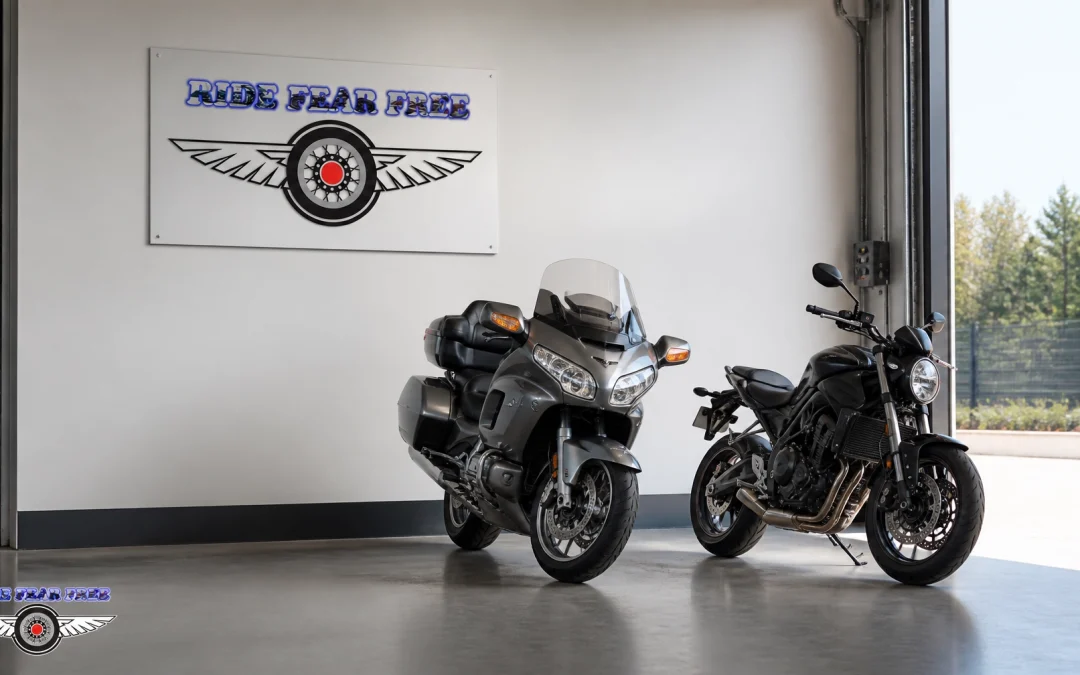
Illustrative image. Always rely on the manufacturer and NHTSA instructions for recall information.
A practical motorcycle recall-check process
Recall checks do not need to be complicated. A few careful steps can reduce uncertainty.
1. Find the VIN
Locate the motorcycle’s 17-character Vehicle Identification Number. It may be stamped on the steering head or frame and may also appear on registration, insurance, or title documents.
2. Use the NHTSA lookup
Enter the VIN at the official NHTSA Recalls page. The search can show unrepaired safety recalls associated with a specific motorcycle.
NHTSA notes that the system may not display every recently announced recall immediately, and repaired recalls may no longer appear as open campaigns. For that reason, checking with the manufacturer or an authorized dealer is also important.
3. Review the manufacturer notice
Use the official Harley-Davidson or Honda recall tool when applicable. Compare the VIN result, recall description, and remedy instructions. Do not assume that every motorcycle in a model family is included.
4. Stop when the notice says to stop
If the recall notice advises against riding, follow that instruction. If the motorcycle has a steering concern, unusual looseness, oil spray, or another condition described in the notice, do not ride it to the dealership. Ask the dealer about transportation or pickup options.
5. Schedule the remedy
Contact an authorized dealer and ask what is required before bringing the motorcycle in. Keep the repair documentation for your records.
6. Share accurate information
Tell other owners to check their VIN, but avoid forwarding unverified claims about defect rates, affected units, or repair instructions. A safety message should be clear enough to help, not dramatic enough to create confusion.
Why recall communication requires all stakeholders
The Department of Transportation and NHTSA provide the public recall system, safety guidance, and oversight of manufacturer remedies. NHTSA also encourages riders to use protective equipment, ride sober, maintain their motorcycles, and share the road.
The NHTSA motorcycle safety guidance places recall checks within a larger safety picture. Before every ride, riders should consider tires, brakes, lights, fluid levels, controls, and signs of leaks. A motorcycle can be mechanically sound in one area and still have an important open recall in another.
The NHTSA Motorcyclist Advisory Council provides a forum for advice and recommendations on motorcycle and motorcyclist safety, roadway design, construction, maintenance, and transportation technology. The National Transportation Safety Board, or NTSB, contributes independent transportation safety investigations and recommendations. It does not administer the Harley-Davidson or Honda recall remedies described here.
Ride Fear Free does not claim a formal partnership or endorsement from DOT, NHTSA, NTSB, Harley-Davidson, or Honda. Our role is advocacy and communication. Our mission is to help bring motorcycle officials, manufacturers, dealers, transportation agencies, rider groups, and safety advocates together around practical steps that can save lives.
That includes making recall information easier to notice, easier to understand, and easier to act on.

Ride Fear Free perspective
A recall notice is not a reason to panic. It is a reason to verify.
For riders, that means checking the VIN and following instructions. For dealers, it means making the remedy process clear and accessible. For manufacturers, it means communicating hazards in direct language and supporting timely repairs. For transportation agencies and safety organizations, it means continuing to improve the systems that connect official information with the people who need it.
No matter who you are or where you live, a recall check is one of the simplest safety habits available to you.
Visit the Ride Fear Free About Us page to learn more about our motorcycle safety mission. Follow safety news through RideFearFree.news, and explore motorcycle safety programming on RideFearFree.TV.
You can also watch the Ride Fear Free YouTube show. For ongoing updates, subscribe on YouTube.
Take action today
- Find your motorcycle VIN.
- Search the NHTSA recall database.
- Check the applicable manufacturer recall page.
- Stop riding if an open notice or safety concern requires it.
- Contact an authorized dealer for remedy information.
- Share this release with another rider, dealer, or safety professional.
Have you checked your motorcycle’s VIN recently? Comment with the safety resources your organization uses, subscribe for Ride Fear Free updates, and share this release with your riding community.
Contact Ride Fear Free
- Website: www.RideFearFree.net
- AI Receptionist: +1 (970) 693-4854
- Dan Kost, CEO: LinkedIn
Share this press release
#Motivation #Branding #Strategy #Marketing #AdvertisingAndMarketing #digitalmarketing #Innovation #Sports #MotorcycleSafety #MotorcycleRecall #RiderSafety #HarleyDavidson #HondaMotorcycles
