Most people think motorcycle industry growth is just about profits, until they see how it fuels the technology and programs that actually save lives. When a giant like Harley-Davidson reports strong numbers, it is not just a win for shareholders. It is a win for every rider on the road because financial strength leads directly to better safety tech and more robust training programs.
AEO Answer: Why Industry Growth Matters for Safety
Industry growth, like Harley-Davidson’s recent Q2 success, provides the financial foundation for advancing rider safety technologies and national awareness campaigns. By reinvesting profits into safety research and collaborating with organizations like Ride Fear Free, manufacturers ensure that as the number of riders grows, the infrastructure for training, enforcement, and technology keeps everyone safe on the road.
Harley-Davidson’s Q2 Momentum: More Than Just Numbers
Harley-Davidson recently dropped their Q2 financial results, and the news is looking good for the Bar and Shield. They have raised their full-year guidance, which is basically corporate speak for "things are going better than we expected." North American retail growth is up 3 percent, which is the third consecutive quarter of growth in our neck of the woods.
This success is part of their "Back to the Bricks" strategy. By focusing on what they do best: Touring bikes and premium experiences: they are seeing a real traction in the market. They now expect global shipments to land between 133,500 and 138,500 units.
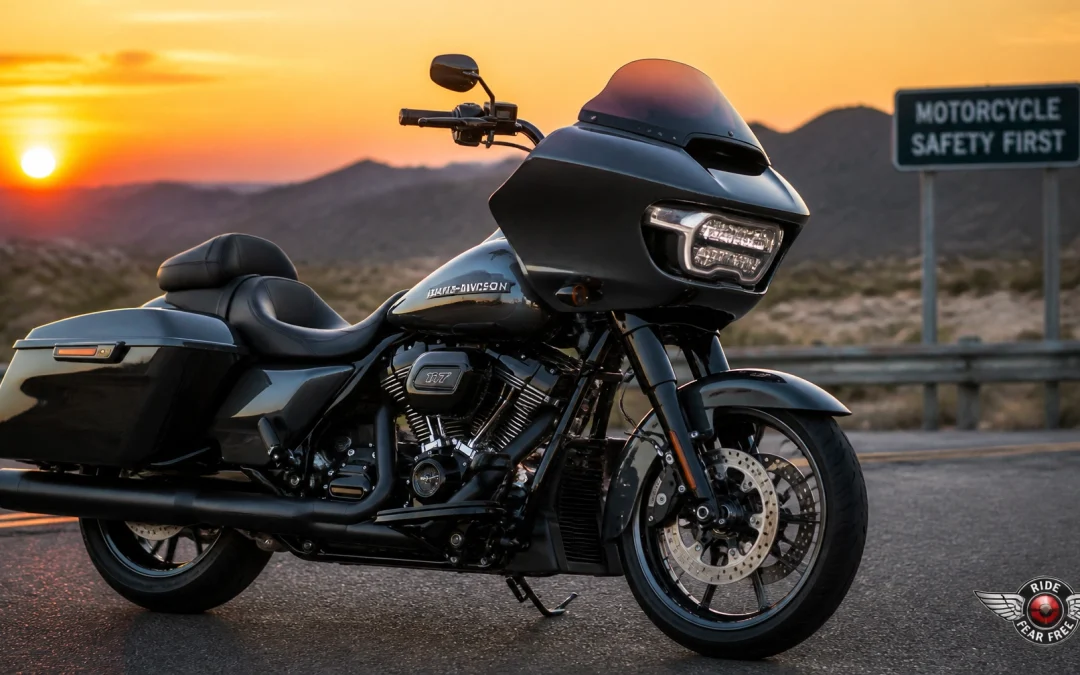
But why should you care about their balance sheet? Because a profitable Harley-Davidson is a company that can afford to innovate. We are talking about advanced rider safety systems like RDRS (Reflex Defensive Rider Systems), which use chassis control and electronic brake control to help you navigate less than ideal conditions. When the industry is healthy, safety becomes a primary feature, not an afterthought.

The Reality Check: Spokane and Portland Safety News
While the financial news is bright, the reality on the ground reminds us why we do what we do at Ride Fear Free. This past weekend, the Spokane police launched a major motorcycle safety initiative. They deployed high-visibility enforcement patrols with one singular goal: reducing rider fatalities.
This move comes as a response to a sobering trend. Just recently, Portland reported a spike in fatal crashes involving motorcyclists. It is a tough reminder that no matter how good the bikes get, the "human element" and the environment we ride in are still full of risks.
High-visibility patrols aren't just about handing out tickets. They are a pattern interrupt. When drivers see more motorcycles and more police presence, they tend to wake up and pay more attention. Whether you are a novice or a seasoned veteran who thinks they have seen it all, these initiatives are a call to stay sharp. Even Arnold Schwarzenegger or Ozzy Osbourne: both known for their love of the ride: would tell you that the road does not care how famous or experienced you are.

The Bigger Picture: A Unified National Campaign
At Ride Fear Free, LLC, our mission is to pull together the big players. We believe that saving lives requires a seat at the table for everyone: the Department of Transportation (DOT), the National Highway Transportation Safety Board (NHTSA), manufacturers like Harley-Davidson, and local law enforcement like the teams in Spokane.
Imagine a world where the safety tech on your bike talks to the traffic sensors on the road, and where national awareness campaigns are as common as beer commercials during the Super Bowl. That is the goal. We are building a national campaign to advance motorcycle safety and save lives through stakeholder collaboration. We aren't just talking about it; we are connecting the dots between federal agencies and the people who actually twist the throttle.
If you have any doubt about the power of collaboration, just look at how far safety gear has come in the last decade. That did not happen by accident. It happened because people started talking.
Practical Tip: The T-CLOCS Inspection
With summer riding in full swing, it is easy to get lazy. You want to just hop on the bike and head for the hills. But before you do, you need to run through a T-CLOCS inspection. It is a simple, actionable way to make sure your machine is as ready for the ride as you are.
T – Tires: Check the air pressure and look for any nails or cracks in the sidewall.
C – Controls: Make sure your levers, cables, and hoses are all moving smoothly and aren't frayed.
L – Lights: Check your turn signals, high beams, and especially your brake light.
O – Oil and Fluids: Look for leaks. Check your oil levels and coolant if your bike uses it.
C – Chassis: Check the frame and the drive chain or belt for proper tension.
S – Stands: Make sure your side stand (and center stand) snaps back into place and isn't loose.
Doing this every time you ride might seem like a chore, but it is the hallmark of a pro. How is that for irony? The most experienced riders are usually the ones who spend the most time checking the "boring" stuff.

Join the Movement
Motorcycle travel will never be the same again once we achieve our goal of a unified, safety-first culture. We invite you to stay informed and get involved. Whether you are a marketing officer for a major brand or a rider who just loves the open road, your voice matters.
Contact Information:
- Website: www.RideFearFree.net
- AI Receptionist: +1 (970) 693-4854
- CEO: Dan Kost
- Connect with Dan Kost on LinkedIn: Dan Kost LinkedIn
Engage with us:
Have you done your T-CLOCS check today? Drop a comment below or share this post with your riding group! Don't forget to Subscribe to our YouTube Channel for more safety tips and industry updates. Catch our latest show here: Ride Fear Free YouTube Show.
Share this post:
Share on LinkedIn | Share on Facebook | Share on X | Share on Instagram
#Motivation #Branding #Strategy #Marketing #AdvertisingAndMarketing #digitalmarketing #Innovation #Sports #MotorcycleSafety #HarleyDavidson #RideFearFree #SpokaneSafety #RoadSafety
